Learn how to build a support circle for solo agers 50+. Create a network that ensures emotional and practical support for independent aging.
TL;DR:
A support circle is a deliberate network of trusted people who provide emotional, practical, and social support to adults aging without traditional family structures. For solo agers, this network is not a nice-to-have. It is the foundation that makes independent aging safe, dignified, and sustainable. Social isolation carries serious health consequences for older adults, and building a real safety net before you need one is the single most protective step you can take. Agingsolo exists to help you do exactly that, with calm, practical guidance built for people who are aging without a built-in plan.
A healthy support circle is defined by structure, not just affection. Friendships feel good, but a reliable support network requires explicit communication, shared responsibilities, and agreed-upon boundaries. Without those elements, even the warmest relationships collapse under pressure.
The most effective circles share several core features:
Two models work well for solo agers. Peer-led groups, like those modeled on NAMI Connections, offer free, confidential spaces where members support each other without a professional facilitator. Therapist-led groups add professional moderation that prevents venting spirals and dominance by one or two voices. Therapist-led circles with clear moderation avoid those pitfalls and foster genuine connection. Both models work. The right choice depends on your comfort level and what you need most.
Pro Tip: Write down three things you need from a support network before you join or start one. Knowing whether you need emotional listening, practical help, or just regular social contact will help you find the right fit faster.
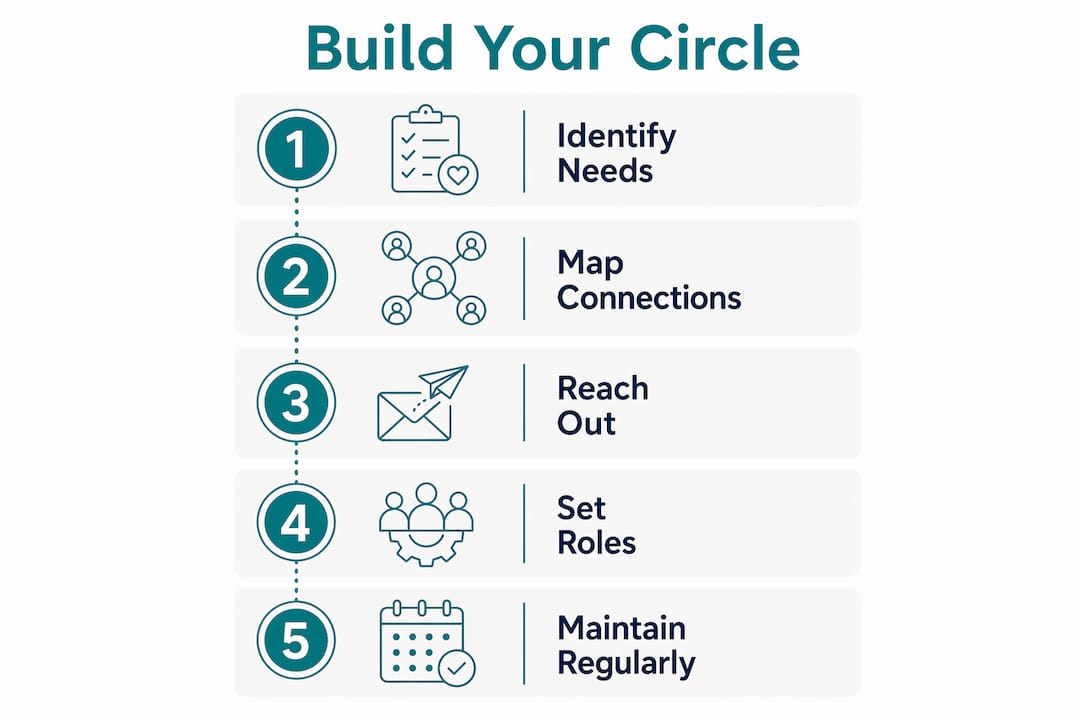
Building a friendship support network after 50 is not about starting from scratch. It is about mapping what you already have and filling the gaps with intention.
Pro Tip: Tell at least one person in your circle where your important documents are kept, including your emergency contacts list and any advance directives. This one conversation can prevent enormous confusion in a crisis.

Not every group is built the same way, and the differences matter. Understanding what each type offers helps you choose what fits your personality, budget, and needs.
Peer-led support groups are free, confidential, and run by members rather than professionals. NAMI Connections Recovery Support Group is one well-known model. Sessions typically last 90 minutes and occur twice monthly, at no cost to participants. That structure creates enough regularity to build real trust without overwhelming anyone's schedule.
Therapist-guided communities add professional facilitation to the mix. One example is Yes, New Friends!, which charges approximately $11 per month for access to moderated connection activities. That modest fee funds the structure that keeps conversations from stalling or going sideways. For adults who have had bad experiences with unmoderated groups, this model is worth the cost.
Digital-to-local social networks serve adults 50+ who want to start online and move toward in-person connection. Basic memberships are typically free. Community champions within these networks help new members find their footing.
| Group type | Facilitation | Cost | Best for |
|---|---|---|---|
| Peer-led (e.g., NAMI model) | Member-run | Free | Adults comfortable with shared leadership |
| Therapist-guided | Professional moderator | ~$11/month | Adults who want structured, safe conversation |
| Digital-to-local network | Community champion | Free basic tier | Adults starting online, moving to in-person |
| Local interest groups | Informal or volunteer-led | Free or low cost | Adults seeking social stimulation and backup |
The right group is the one you will actually attend. A perfectly structured group you never visit does nothing. Start with whatever feels least intimidating, then expand from there.
Building a network is the beginning. Keeping it alive takes steady, low-pressure effort over time.
The most common reason support circles fade is neglect, not conflict. People get busy. Life shifts. Without regular contact, even strong connections go quiet. A few habits prevent that:
The goal is not a perfect circle. It is a living one that grows with you.
A support circle is essential infrastructure for solo agers, requiring deliberate structure, clear roles, and ongoing maintenance to remain effective and sustainable.
| Point | Details |
|---|---|
| Structure over affection | Effective circles need ground rules, defined roles, and shared responsibilities, not just goodwill. |
| Tiered networks build resilience | Combine a close inner circle with broader peer communities to prevent burnout on any one person. |
| Start with a map | Use a Circle of Support framework to identify gaps before recruiting new members. |
| Choose the right group type | Peer-led groups are free; therapist-guided groups add structure for about $11 per month. |
| Sustain with consistency | Regular, low-pressure contact, not grand gestures, keeps support relationships alive long-term. |
Most people I talk with assume a support circle is just a group of friends who care about each other. That assumption is the biggest obstacle to building one that actually works.
What I have observed, again and again, is that caring is not enough. Without explicit conversations about roles, limits, and emergencies, even the most devoted friends freeze when something goes wrong. Nobody knows who calls 911. Nobody knows where the spare key is. Nobody knows whether you want them to contact your doctor or your attorney first. Those gaps are not failures of love. They are failures of planning.
The adults who age most confidently are the ones who treat their support network the way they treat a fire escape plan. They map it out in advance, they test it occasionally, and they update it when circumstances change. They also recognize that independence is not isolation. Having a circle does not mean you cannot manage on your own. It means you have chosen not to leave your safety to chance.
The other thing I would push back on is the idea that building a circle feels awkward or needy. Asking someone to be part of your support network is one of the most respectful things you can do. It tells them you trust them. It gives the relationship a real purpose. And it opens the door for them to ask the same of you.
Start small. One honest conversation. One written list. One group you attend twice before deciding whether it fits. That is enough to begin.
— Mike
Agingsolo has built a library of practical tools specifically for adults who are planning their futures without traditional family support.
Whether you are starting from zero or strengthening what you already have, the Build Your Support Circle guide walks you through every step, from mapping your relationships to setting ground rules and planning for emergencies. The Buddy System offers a structured daily check-in network for solo agers who want consistent, low-pressure contact. And the Soloist's Toolkit brings together checklists, templates, and planning guides in one place. Agingsolo's resources are calm, specific, and built for people who take their independence seriously.
Common questions about building a support circle for solo agers.
At Agingsolo, we help solo agers build the support networks they need to age with confidence and dignity. You don't have to figure this out alone.
Visit Agingsolo