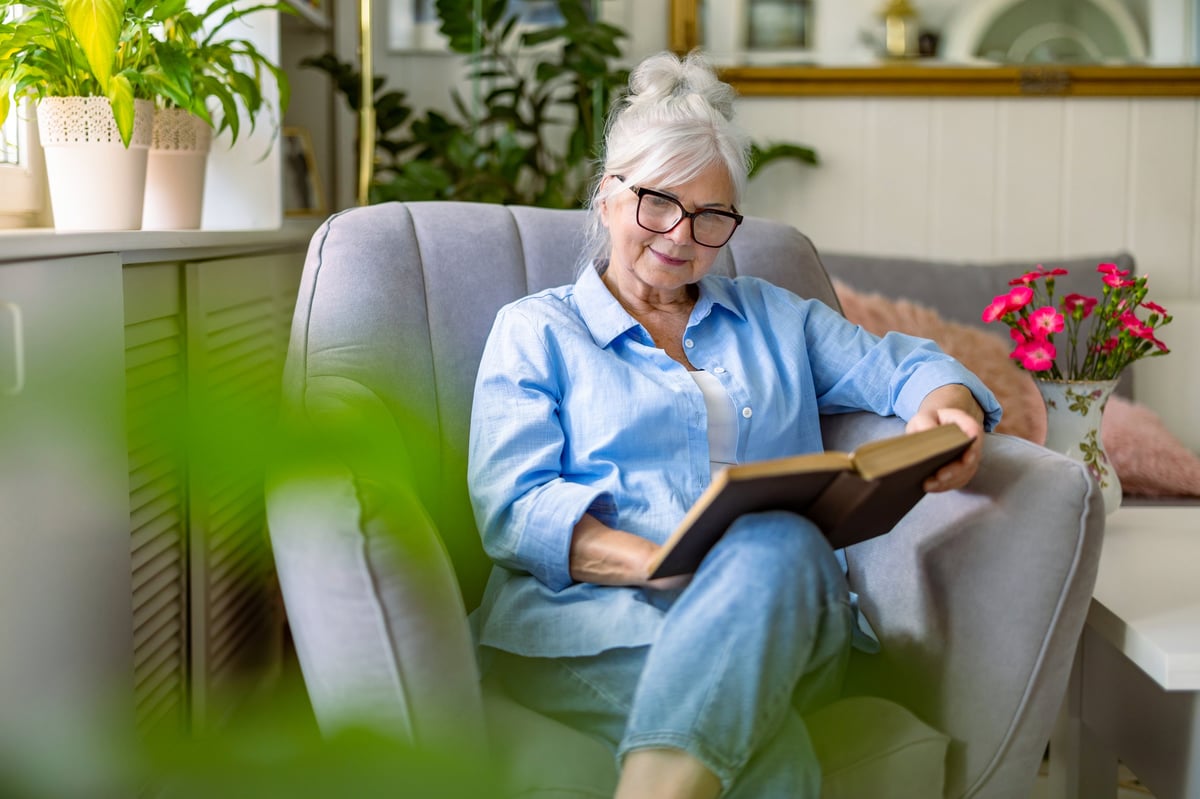
A Personal Note from Michael: Sometimes caregiving overlaps with our own future in unexpected ways. I write about that space—quietly and honestly—at Solo Pour.
Helping Mom LLC
Helping Mom gives adult children clear, practical guidance on home safety, aging in place, and family caregiving — so you can make confident decisions without the overwhelm.
Founded by Mike Crawford, we help families take the right next step on home safety, communication, and aging in place planning.
Practical caregiving advice, home safety tips, and family communication strategies — published fresh every day.
Most families don't find out until after a fall. Our free AI-powered home safety tool guides you room by room, analyzes your photos, and gives you a personalized report in about 30 minutes. No account needed. Works on any phone.
Start Your Free Home Safety CheckWhat You'll Find Here
Topic One
Most falls and household accidents can be prevented with the right adjustments. We walk you through practical, room-by-room safety changes that help your parent stay independent and secure at home.
Topic Two
Talking about care needs with siblings and aging parents can be emotionally charged. We offer conversation starters, role clarity tips, and strategies to reduce friction so your family can work as a team.
Topic Three
Aging in place takes more than a safe house. We cover daily routines, transportation, local resources, and the support systems families often overlook until there's a crisis.
No jargon. No guilt. Just practical steps you can take this week.
Mike Crawford founded Helping Mom after years of hands-on experience caring for his own mother at home. Every article and guide on this site draws from real-world caregiving, covering aging in place, fall prevention, caregiver communication, and home safety assessments with the same steady, practical approach he used with his own family. You will not find medical advice here. Just honest, experience-tested guidance from someone who has walked this road.
Mike Crawford
Founder, Helping Mom LLC
Get clarity, a plan, and peace of mind — in one 45-minute conversation.
You're doing everything you can for your parent — and it still feels like it's not enough. You don't need more articles to read or lists to make. You need someone who gets it and can help you think clearly about what to do next.
The Caregiving Clarity Session is a private, 45-minute Zoom consultation with Mike C. — founder of Helping Mom LLC and a 20-year Dean of Students who has helped hundreds of families navigate hard situations with calm and clarity.
In One Session, We Can Cover:
Investment: $97 — Sessions conducted via Zoom. Scheduling link sent immediately after purchase.
Not medical, legal, or financial advice. This is a planning and guidance session for caregivers and solo agers.
"If you've been wondering whether you're overreacting — you're not."
That quiet worry comes from love, awareness, and paying attention.
Hear from families who found clarity and support through Helping Mom
"I was drowning in guilt and uncertainty. Helping Mom gave me a roadmap when I felt completely lost. The checklist alone helped me identify three safety issues I'd completely missed. My mom is safer now, and so am I."
Sarah M.
Adult Daughter, Chicago
"The one-on-one consultation was worth every penny. Mike understood exactly what we were going through because he's been there himself. Within an hour, we had a concrete plan. Three months later, my dad is still home and thriving."
James T.
Son & Caregiver, Seattle
"I live 2,000 miles away from my parents. Helping Mom's resources helped me feel connected and useful despite the distance. The emergency information sheet we created together gave me so much peace of mind."
Michelle R.
Remote Daughter, Denver
"My mom was resistant to any help. Mike's approach—focused on dignity and independence—actually worked. She's now using the medication organizer we set up and hasn't had a single mishap in four months."
David L.
Husband & Caregiver, Austin
Understanding the key differences can help you make the best choice for your family's unique situation
Home Care
Aging in Place
Parent remains in familiar surroundings
Greater independence and privacy
One-on-one, personalized attention
Flexible scheduling (a few hours to full-time)
Can start with minimal help and scale up
Requires home modifications
May become costly at higher care levels
"Best for: Early-stage needs, strong family support nearby, parent's preference to stay home"
Assisted Living
Residential Care Community
24/7 trained staff available
Built-in social activities and community
Meals, housekeeping, transportation included
Structured environment with safety features
Easier to increase care as needs grow
Less privacy and independence
Adjusting to a new environment takes time
"Best for: Moderate to higher care needs, safety concerns, isolation, caregiver burnout"
There's no one-size-fits-all answer. The right choice depends on your parent's health, your family's resources, and everyone's comfort level. Helping Mom can help you evaluate your options.
Talk to Us About Your OptionsAnswer a few questions to get personalized recommendations
Question 1 of 5
Prefer a more detailed assessment?
Take Our Full Caregiving QuizWhen concerns about safety first appear, families often don't know where to start. This guide helps you think through one of the most common—and emotional—questions with clarity and care.
The question of when an aging parent should stop driving is one of the most difficult conversations families can face. It's loaded with emotions about independence, safety, identity, and respect.
This guide walks you through recognizing the signs, starting difficult conversations, and navigating this sensitive topic with compassion and respect.
Related Guides Included
This article links to more resources on boundaries, assisted living, and difficult conversations
"Caring for those who once cared for us is one of the highest honors."
You don't have to figure it all out alone. We're here to walk alongside you with practical guidance, trusted resources, and a community that understands.
10,000+
Families Supported
50+
Helpful Guides
This video introduces a practical, non-medical book created for families supporting an aging parent. It explains how the book helps families get organized, think ahead, and feel more confident navigating caregiving decisions. The book is available on Kindle using the link provided.
This short video explains why having important medical and contact information written down matters during emergencies. It's a calm overview for families supporting an aging parent who want to feel more prepared and less stressed when unexpected situations arise.
In This
Together
When care starts to shift, you may feel unprepared. That's completely normal. Helping Mom provides calm, practical guidance to help you move forward without fear or pressure—one step at a time.
All our resources are reviewed by healthcare professionals and experienced caregivers to ensure accuracy and relevance.
No theory or fluff—just real-world strategies you can implement immediately to improve your caregiving experience.
We understand the emotional toll of caregiving. Our team provides empathetic guidance without judgment.
by Mike C., Founder
Helping Mom was created for the people quietly holding everything together.
The adult children balancing full lives, demanding careers, and the growing reality that their aging parent needs more support—without losing dignity, independence, or respect.
I'm one of them.
Each visit to my mom's house brings small adjustments. Medication organization because she can't see labels clearly anymore. Help managing appointments. Finding ways to make daily life easier without making her feel managed. These aren't emergencies—they're the slow, steady changes that happen long before a crisis.
And that's where most families struggle.
Technology helps sometimes. Other times it frustrates. One wrong button. One confusing screen. Suddenly both of us feel overwhelmed—her because she feels incapable, me because I'm trying to solve problems from miles away.
Helping Mom isn't about doing everything.
It's about doing the right things.
This space is for busy professionals who are not full‑time caregivers but still carry the constant responsibility of keeping a parent safe, supported, and connected. It's for those who can't step away from their lives—but won't step away from their parents either.
Helping Mom offers practical guidance, simple systems, and calm tools to reduce overwhelm and decision fatigue. Not medical advice. Not guilt. Just realistic support for real life.
My mom still wants her independence. Her dignity matters. And helping her now isn't a burden—it's a gift.
Helping Mom exists so you don't have to figure this out alone.
Access free resources designed to help you provide better care while taking care of yourself.
Access trusted resources from leading healthcare organizations to help you provide better care and support.
View ResourcesLearn effective strategies to maintain your own physical and emotional well-being while caring for others.
Read ArticleLearn how to effectively communicate your loved one's needs and concerns with doctors and medical staff.
Watch VideoPrefer to listen? Hear the full guide step-by-step without overwhelm.
Find the information you need to confidently support your aging parent.
Practical ways to make homes safer for aging parents and reduce fall risks.
Gentle guidance for noticing changes and understanding when support may be needed.
Compassionate strategies for starting difficult caregiving conversations.
Support for caregivers managing stress, emotional fatigue, and burnout.
Tools and simple technology that help aging parents remain independent.
Comprehensive guides and checklists for families supporting aging parents.
If you're thinking about making your parent's home safer, these guides can help:
Get caregiving tips, helpful resources, and gentle encouragement delivered to your inbox. We promise to keep it supportive—never overwhelming.
We respect your privacy. Unsubscribe anytime.
Get our free 15-minute home safety reset guide. Small, respectful changes that make home safer—without making your parent feel managed.
Caring for an aging parent raises questions—often before you're ready.
Helping Mom provides calm, practical guidance for families who want to support aging at home without fear, pressure, or overwhelm.
This content is for educational purposes only and does not replace professional advice.
Still have questions? We're here to help.
Contact UsHelping Mom is here to reduce uncertainty, not add to it.
Be clear, honest, and respectful
Offer practical support without fear-based messaging
Protect independence while prioritizing safety
Refer when needed—and never hesitate to do so
We believe safer homes start with clarity, compassion, and the courage to ask for the right kind of help.
Understanding the cost of senior living isn't always straightforward. Monthly fees are only one part of the picture. Entrance fees, annual increases, and refund structures can significantly impact the total over time. This simple tool helps you estimate the full cost so you can make a more informed decision.
Start Your EstimateQuick, private, and easy to use.

Supporting an aging parent isn't just about medications, appointments, and home safety. It's also about carrying responsibility, navigating uncertainty, and finding the strength to keep showing up.
While Helping Mom is dedicated to practical guidance for caregivers, I also wrote a book for the quieter side of the journey.
Solo Pour: Reflections is a collection of personal essays about family, gratitude, resilience, community, and finding meaning in life's ordinary moments. Written one cup of coffee at a time, these reflections are meant to encourage, restore, and remind you that you're not walking this path alone.
If you're looking for a few moments of peace between the demands of caregiving, I hope you'll find them here.