Caregiving Guide

Your Parent Has a Pet — Do You Have a Plan?

What Every Caregiver Needs to Know About Emergency Pet Care

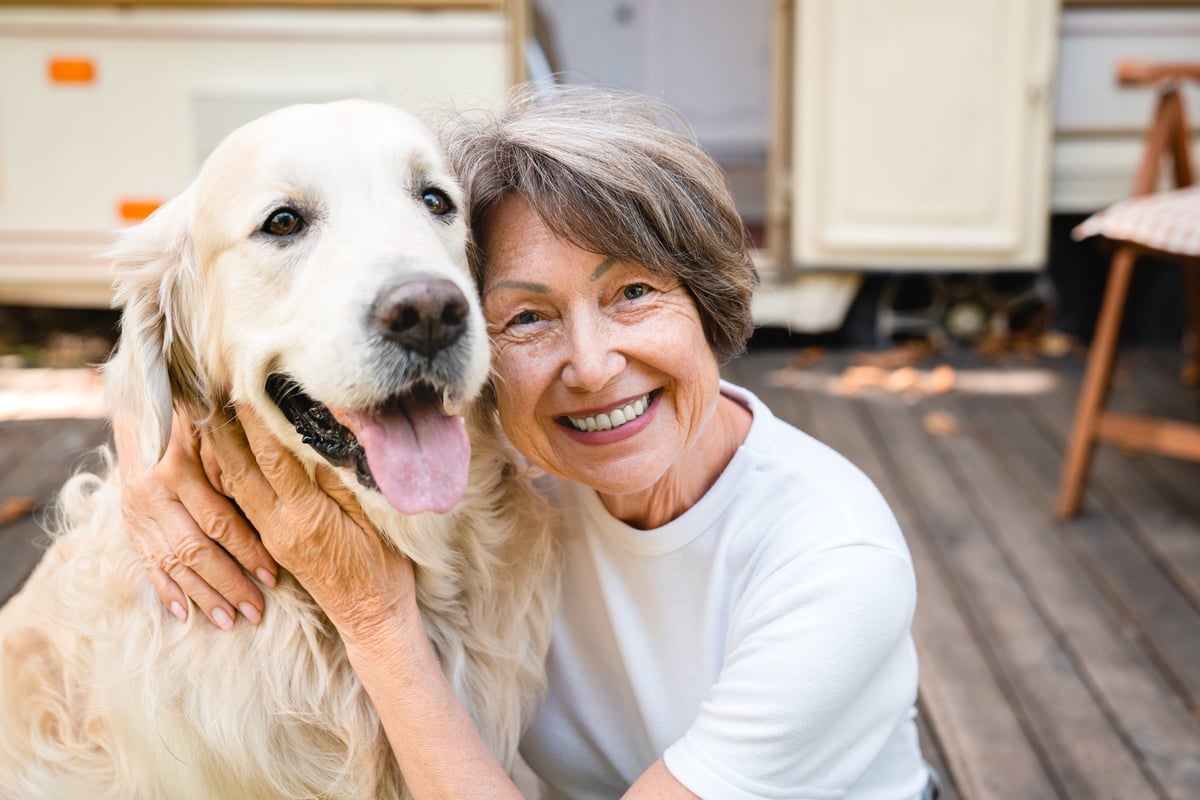
Closeup portrait of happy senior old woman owner with domestic animal pet golden retriever labrador

For many older adults, a pet is not "just an animal." It is companionship. Routine. Comfort. Purpose. In some homes, it is the only living presence greeting them every morning.

That is why one of the most overlooked caregiving conversations has nothing to do with medications, finances, or fall prevention.

It is this:

If something suddenly happens to your parent, who takes care of the pet?

Most families never discuss it until a crisis forces the issue. A hospitalization. A fall. A sudden rehab stay. A medical emergency that turns into several unexpected days away from home.

The Three Emergencies Most Families Never Prepare For

When an older adult lives alone with a pet, there are really three separate situations to think through.

1

Short-Term Emergencies

Your parent goes to the hospital unexpectedly after a fall, illness, or surgery. They fully expect to return home in a few days, but suddenly the pet needs immediate care.

  • Who has a key?
  • Who knows the feeding schedule?
  • Who can approve veterinary care?
  • Who even knows the animal exists?
2

Longer Recovery Periods

Sometimes an older adult cannot return home right away. A rehab stay turns into several weeks. A health condition progresses faster than expected.

Key Questions:

Can the pet stay with a caregiver? Remain in the home with support? Or need temporary boarding?

3

Permanent Loss of Capacity

This is the conversation families avoid the longest. But avoiding it does not protect anyone.

If no plan exists, pets may end up in overcrowded shelters or emergency placements with strangers.

Why This Matters More Than People Realize

Research shows many older adults delay medical care because they are worried about what will happen to their pets if they leave home.

Some seniors refuse hospitalization entirely because they do not want their animal left alone. Others minimize symptoms because they fear losing independence and separation from a beloved pet.

A simple emergency plan removes one of the biggest emotional barriers to getting help.

Actionable Steps

The Most Important Parts of a Pet Emergency Plan

The good news is that this does not need to be complicated. Families can start with a few simple steps.

1. Create a Daily Check-In System

If your parent lives alone, somebody should notice quickly if something is wrong. Even a basic daily text or morning phone call can help.

There are also check-in services designed specifically for older adults living independently. Some allow emergency contacts and pet care instructions to be stored in advance so caregivers can respond quickly if a check-in is missed.

The important thing is consistency.

2. Make the Pet Visible to Emergency Responders

Many emergency personnel never know an animal is inside the home. A simple "Pets Inside" window decal can help first responders identify animals during emergencies.

Wallet cards are equally important. These should include:

  • Pet names and descriptions
  • Veterinary contact information
  • Feeding or medication instructions
  • Names and phone numbers for at least two backup caregivers

3. Prepare a Pet Go-Bag

Every pet owner living alone should have an emergency bag ready.

Include:

  • 7-day food supply
  • Medications with instructions
  • Vaccination records
  • Leash or carrier
  • Recent photos of pet and owner together
  • Feeding routines
  • Emergency caregiver information
  • Think of it the same way families prepare emergency medical folders for aging parents.

    4. Create a Simple Vet Authorization Letter

    Many families do not realize a friend or neighbor may not be allowed to approve veterinary treatment without written permission. A basic authorization letter can solve that problem immediately.

    Copies should be given to:

    Primary caregivers Backup caregivers Veterinarian's office

    It is a small step that prevents delays if urgent care is needed.

    This Is Really About Peace of Mind

    At its core, this conversation is not just about pet care. It is about helping an older adult feel safe enough to ask for help when they need it.

    It is about reducing panic during emergencies.

    It is about protecting something they deeply love.

    And sometimes, having a plan for the pet is what finally helps a parent feel comfortable making a plan for themselves too.

    Because caregiving is rarely only about medical needs.

    Often, it is about understanding what matters most to the person you love.

    Ready to Create Your Pet Emergency Plan?

    Download our free Pet Emergency Care Checklist to help organize everything your family needs to know in case of an emergency.

    We respect your privacy. No spam, ever.

    About Helping Mom

    Helping Mom provides practical resources and guidance for adult children navigating the caregiving journey. We believe that caring for aging parents should not mean caring for them alone.

    Back to Home