There is a moment many adult children eventually reach. Mom seems lonely. Dad has been gone for years. The house feels quieter than it used to.
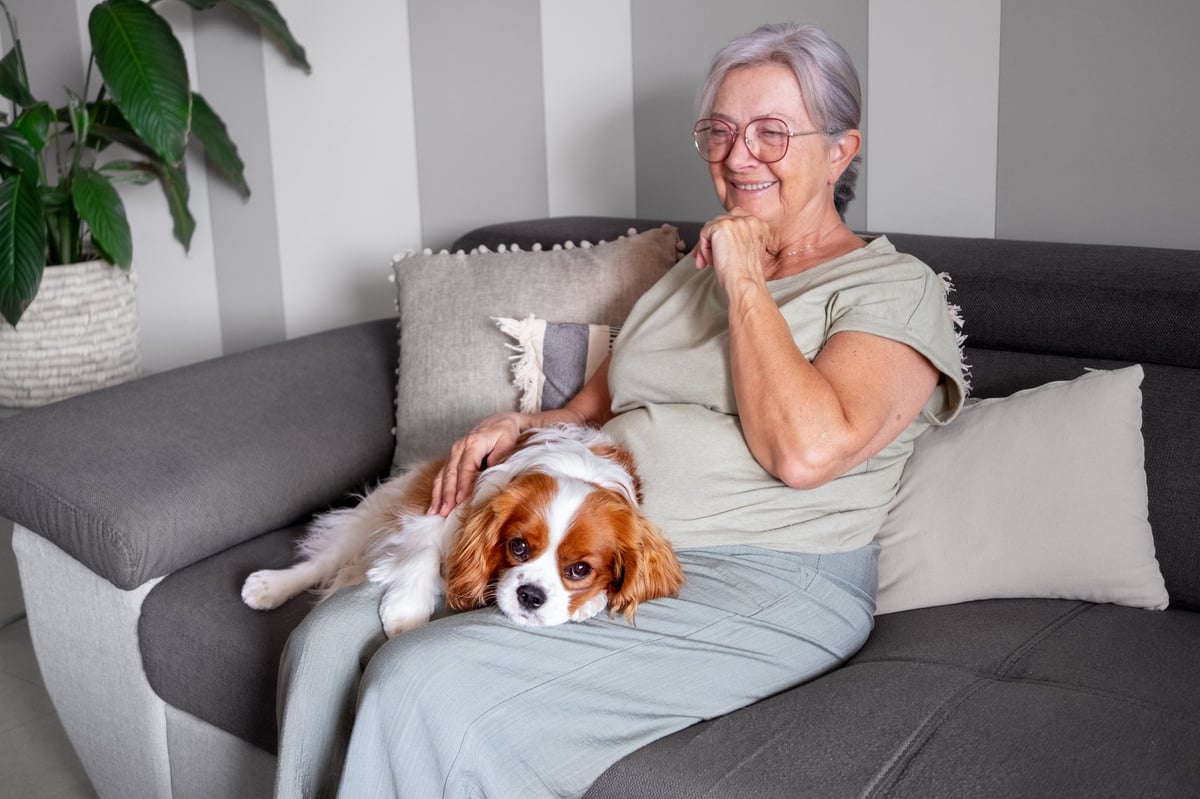
Maybe she mentions missing having a dog around. Maybe you notice her stopping to pet every neighbor's dog on evening walks. Maybe someone in the family casually says, "You know what she needs? A puppy."
It sounds loving. Sometimes it truly is.
But a pet after 60 is not automatically a good idea. It is a life decision with emotional, physical, financial, and safety consequences that deserve more thought than most families give it.
The better question is: Is this the right pet for this stage of life?
Long-term pet ownership connected with slower cognitive decline, lower loneliness, and increased physical activity in older adults.
Pet ownership does not automatically improve emotional health and may even increase stress when the responsibility becomes overwhelming.
"That contradiction actually makes sense. A calm senior cat for a relatively independent older adult is very different from a high-energy rescue dog that needs constant exercise, training, lifting, and management."
This is the most important question — and often the most avoided.
A large dog that pulls on a leash can become a genuine fall hazard. Puppies can dart unexpectedly underfoot. Even smaller pets can create tripping risks around stairs or bathrooms.
This is not about limiting independence. It is about protecting it.
The right pet should support daily life, not make it harder.
Most families do not think about this until there is an emergency.
If there is not a clear answer to those questions before bringing home a pet, the family is not fully prepared yet.
Transportation becomes part of pet ownership after 60 in a way many people underestimate.
Driving confidence may change. Night driving may already be avoided. Carrying a frightened cat carrier may not be realistic for someone with arthritis or balance concerns.
A good support system matters just as much as a good pet match.
Food is usually not the expensive part.
Veterinary care, medications, dental procedures, emergency visits, grooming, boarding, and specialty diets add up quickly. For older adults on fixed incomes, unexpected vet bills can become deeply stressful.
A pet should bring comfort — not financial anxiety.
This matters more than people realize.
Rental restrictions on breeds or sizes
Senior living community limits
Future housing transitions
Falling in love with a pet and then discovering housing restrictions later creates heartbreak for everyone involved — including the animal.
Families should think ahead, not just about today.
Many times, yes.
There is a quiet beauty in two older souls slowing down together.
A senior dog paired with a senior adult can sometimes become the perfect match.
Not "someone nearby." Not "the neighbors probably."
Because emergencies rarely arrive with warning.
Download our printable worksheet to record emergency contact information, veterinary details, and care instructions for your loved one's pet.
Download Pet Emergency Care PlanThis is the hard conversation.
Sometimes families rush toward getting a pet because they are trying to solve grief, isolation, or emotional emptiness quickly.
And while animals absolutely provide companionship, they are also responsibility, structure, noise, scheduling, expense, and emotional attachment.
A pet can ease loneliness.
But it cannot replace human connection, support systems, or
community.
A pet should almost never be a surprise gift for an older adult. Not for birthdays. Not for holidays. Not "because she looked sad."
This decision works best when the older adult chooses:
Maintaining choice matters
So does dignity
This may feel uncomfortable to discuss, but it matters deeply.
Cats and dogs often live 12–18 years or longer.
Planning ahead protects both the older adult and the pet from crisis decisions later.
Sometimes the right answer is not ownership at all.
Enjoy pets without full-time responsibility
Companionship on your own schedule
Purpose and connection through giving
Temporary commitment, lasting impact
Structured companionship programs
Helping care for a loved one's animal
"Companionship does not always require full-time responsibility.
And sometimes that balance works beautifully."
A pet can absolutely become one of the brightest parts of later life.
But the best pet decisions after 60 are rarely impulsive ones.
And rooted in the desire to support independence safely — not unintentionally make life harder.
Because the goal is not simply giving someone a pet.
The goal is helping both the person and the animal thrive together.
Get practical tips and compassionate advice delivered to help you navigate the journey of caring for your loved ones.
We respect your privacy. Unsubscribe anytime.