
Most of what we hear about caring for aging parents focuses on the practical side—fall prevention, medications, appointments. But there's a quieter challenge that causes more tension than almost anything else.
It's the moment when helping slowly starts to feel like managing.
And neither person quite knows when the shift happened.
You don't have to figure everything out at once. Start with one small, practical step.
Explore Helping Mom GuidesIt usually starts with something small. You remind your parent to take their medication. You schedule an appointment for them. You step in to make things easier.
Over time, those small actions add up.
You begin making more decisions. You take on more responsibility. And without meaning to, you stop asking as often and start deciding more often.
That's when something important begins to shift.
Not just the tasks. The relationship.
It comes from care. You're trying to help, protect, and stay ahead of problems.
It can feel like losing control. Losing independence. Losing a sense of being in charge of their own life.
What often shows up as resistance or "stubbornness" is very often something else entirely.
It's grief.
Grief for the life they've had. Grief for the independence they're trying to hold onto.
This isn't about doing something wrong. It's about noticing small shifts.
You might be stepping too far into a management role if you find yourself:
Making decisions without asking first
Feeling impatient with how long things take
Speaking in a tone that sounds more directive than collaborative
Skipping conversations and going straight to solutions
Feeling like everything is your responsibility to control
The truth is, these often show up in the most caring people.
There's one small adjustment that makes a meaningful difference.
Give back as many small choices as possible.
Not the big decisions. The daily ones.
Ask simple questions like:
"Do you want the gray shirt or the blue one today?"
"Would you like me to call the doctor, or do you want to do it yourself?"
"What sounds good for breakfast?"
"Do you want company right now, or a little quiet time?"
These moments matter more than they seem.
They communicate respect. They reinforce identity. They preserve dignity.
How you say something matters just as much as what you say.
Instead of...
"You can't be in the bathroom alone."
Try...
"This grab bar will help you move around safely without needing me there."
Instead of...
"I'm taking over."
Try...
"Let's do this together so you stay involved."
It's a small shift in language, but a big shift in how it feels.
If you're ever unsure, pause and ask yourself:
"Am I doing this because it needs to be done, or because it's easier for me?"
That one question can bring you back to a more balanced place.
Caring for an aging parent isn't about becoming their parent.
It's about walking alongside them as things change.
When you protect their voice, their choices, and their sense of self, something important happens.
The relationship stays intact.
And the care feels like care again.
If you're looking for simple next steps, you can start with our practical caregiving guides here: helping-mom.com/caregiving-guides
More insights and guidance on navigating your caregiving journey.

Learn how to approach sensitive topics with compassion and confidence, from safety concerns to future care decisions.
Read Article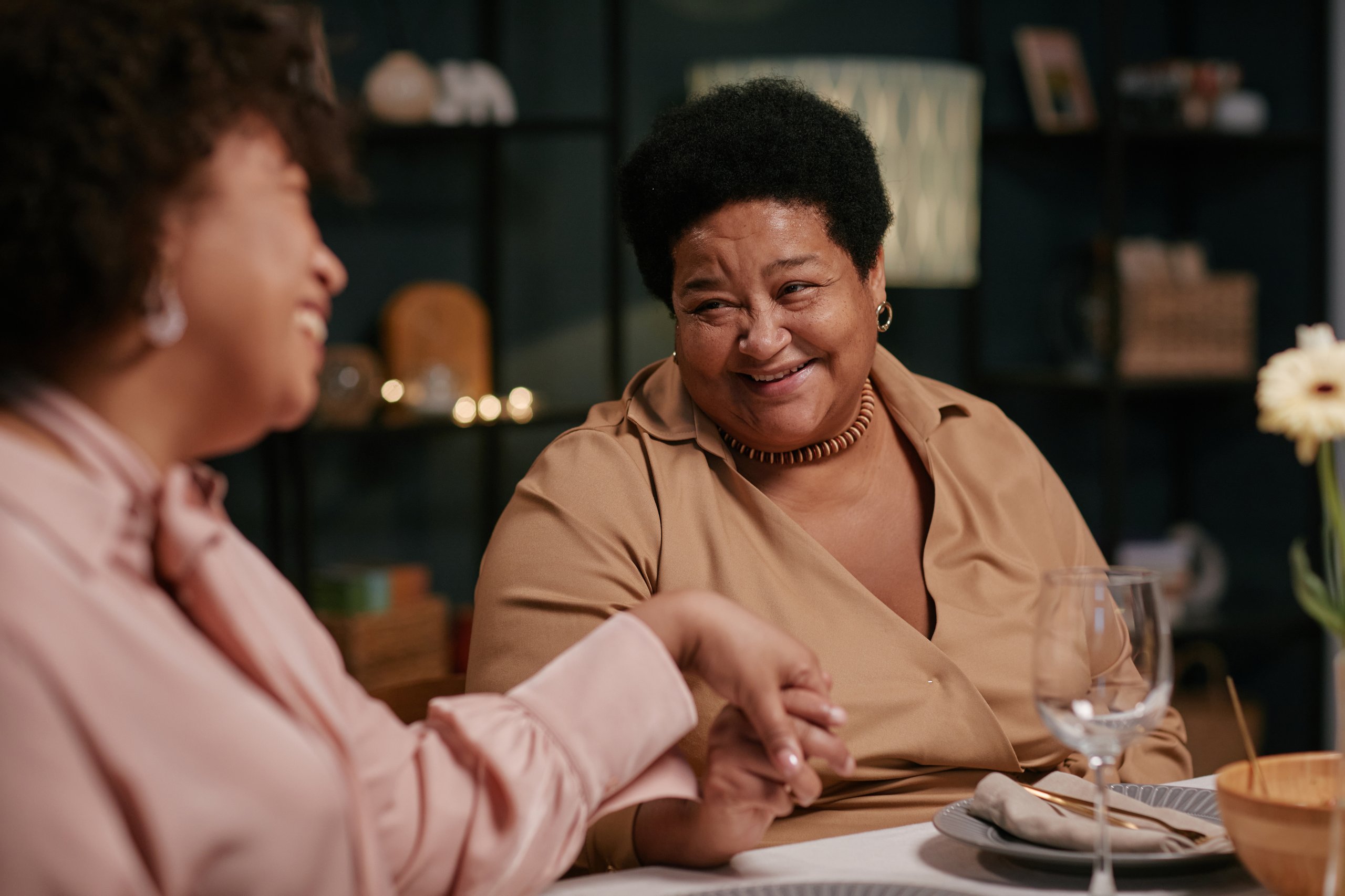
Practical ways to cope with caregiver guilt and find peace in your caregiving journey.
Read Article
Recognize subtle signs that your aging parent may need support without asking directly.
Read ArticlePractical resources to support you and your aging parent on this journey.
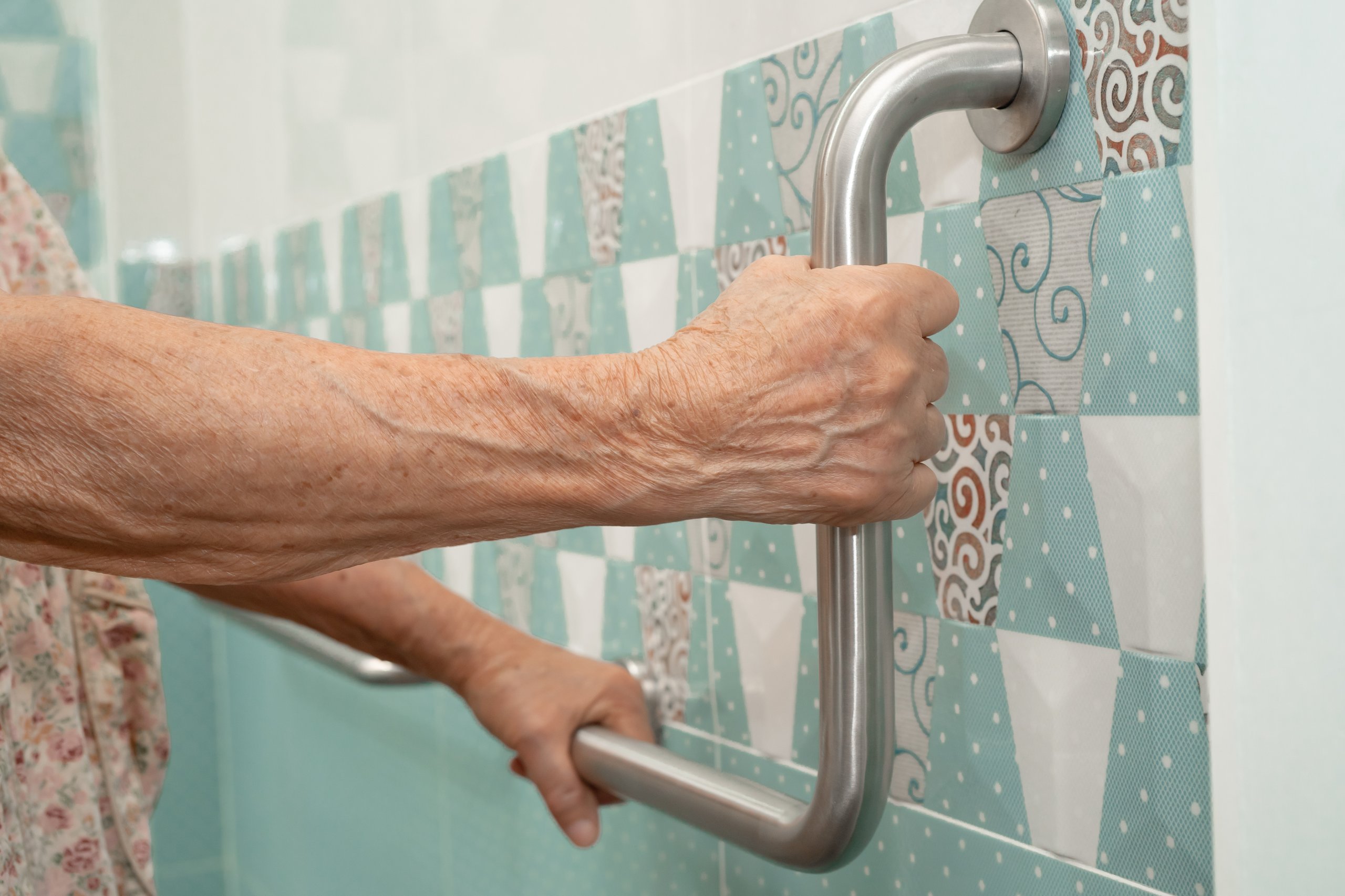
Simple modifications that make a big difference in preventing falls and maintaining independence.
Read Guide
Help your parent navigate safely at night with smart lighting solutions and practical tips.
Read Guide
Keep critical health information accessible so caregivers and first responders have what they need.
Read Guide