Discover the types of senior housing that best fit your parent's needs. Navigate options with confidence using our comprehensive guide.
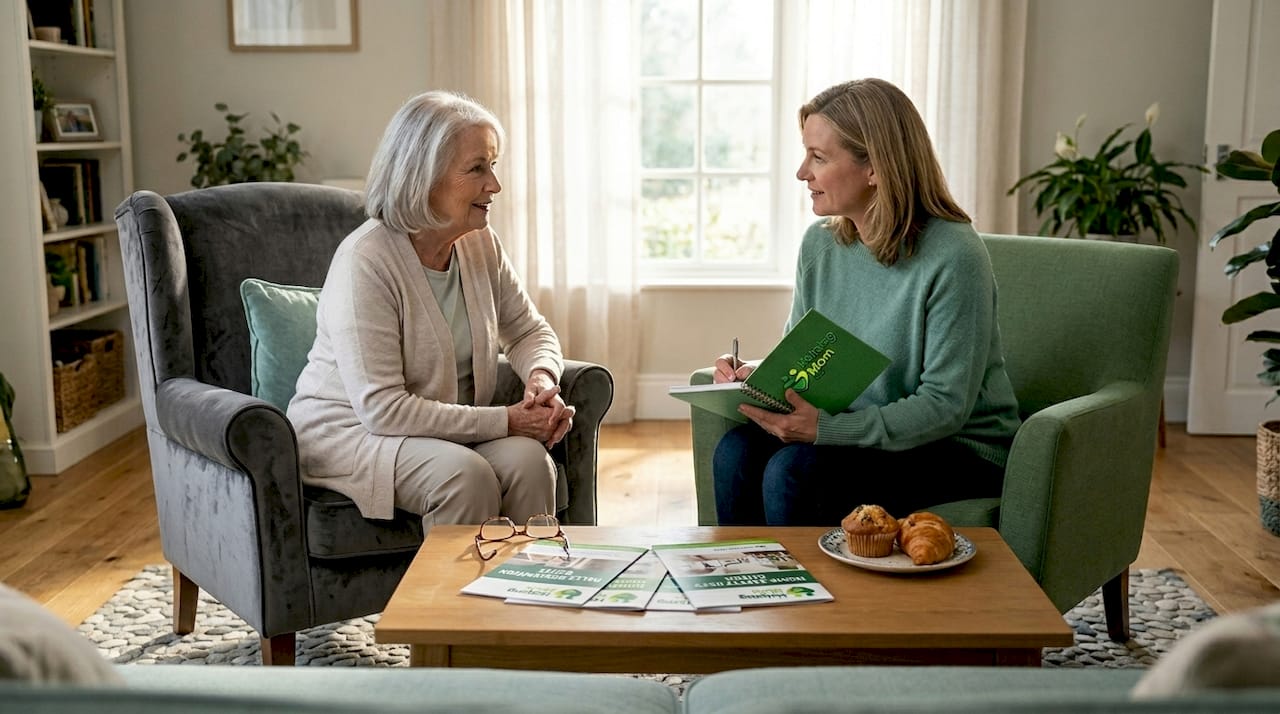
Choosing senior housing is not just about care levels and cost. It is also about preserving dignity, safety, connection, and peace of mind for both you and your parent.
The good news is that you do not have to figure this all out at once. With a structured way to look at each option, side-by-side cost comparisons, and a clear sense of what your parent actually needs today, you can narrow the field and move forward with confidence. This guide walks you through every major option, what each one costs, and how to find the right fit.
Understanding your parent's health, safety, and social needs is crucial before considering housing options.
Each senior housing option—from aging in place to skilled nursing—suits different care and lifestyle needs.
Monthly prices range from $3,500 for independent living to $9,000 for skilled nursing.
Family discussions and emotional preparation can make any transition more successful.
Guides, checklists, and expert advice help you navigate and personalize your choices.
Before you start researching specific communities or reading brochures, it helps to pause and assess what your parent actually needs right now. Not what they might need in five years, but today. That clarity makes every conversation and every tour far more productive.
Start by thinking through three core areas:
Does your parent need help managing medications, wound care, physical therapy, or regular monitoring? Or are their health needs fairly routine?
Can they bathe, dress, cook, and get around safely on their own? Do they need reminders or hands-on help for daily tasks?
Are they isolated? Do they thrive with people around them, or do they prefer quiet independence?
Once you have honest answers to those questions, you can start weighing practical factors like safety at home, proximity to family, and monthly budget.
Keep in mind that your parent's needs will likely shift over time. A housing choice that fits perfectly today may need to be revisited in two or three years. Building flexibility into your thinking now saves stress later.
Pro Tip: Whenever possible, involve your parent directly in this process. Their sense of control over this decision matters enormously for their wellbeing and their cooperation.
Once you've clarified your priorities, the first option many families consider is adjusting the family home. Aging in place simply means your parent continues living at home, with modifications or outside support added as needed.
For many families, this is the most emotionally comfortable starting point, and often the most affordable one.
Grab bars and handrails in bathrooms and stairways
Ramps or stair lifts to replace steps at entry points
Walk-in showers or raised toilet seats for safer bathroom use
Personal care aides who come in for a few hours each day
Meal delivery services like Meals on Wheels
Medical alert devices and fall detection technology
If your parent's medical needs are complex or if they're at serious fall risk, home modifications may not be enough. Isolation is also a genuine concern, particularly for seniors who live alone and don't have regular visitors. Families also sometimes discover that loneliness and isolation affect safety just as much as physical health. Understanding the emotional side of caregiving can help you make more balanced decisions about housing and support.
Pro Tip: A home safety assessment from an occupational therapist is one of the most practical first steps you can take. Many are available through local hospitals or Area Agency on Aging offices at low or no cost.
Independent living communities are designed for seniors who are largely self-sufficient but want the convenience and social richness of a community setting. Think of them less as "care facilities" and more as residential communities with built-in support.
Restaurant-style meals
Group activities & fitness
Transportation services
Housekeeping & maintenance
Libraries, pools & amenities
Median Monthly Cost: ~$3,500
Costs often include housing, meals, and utilities bundled together.
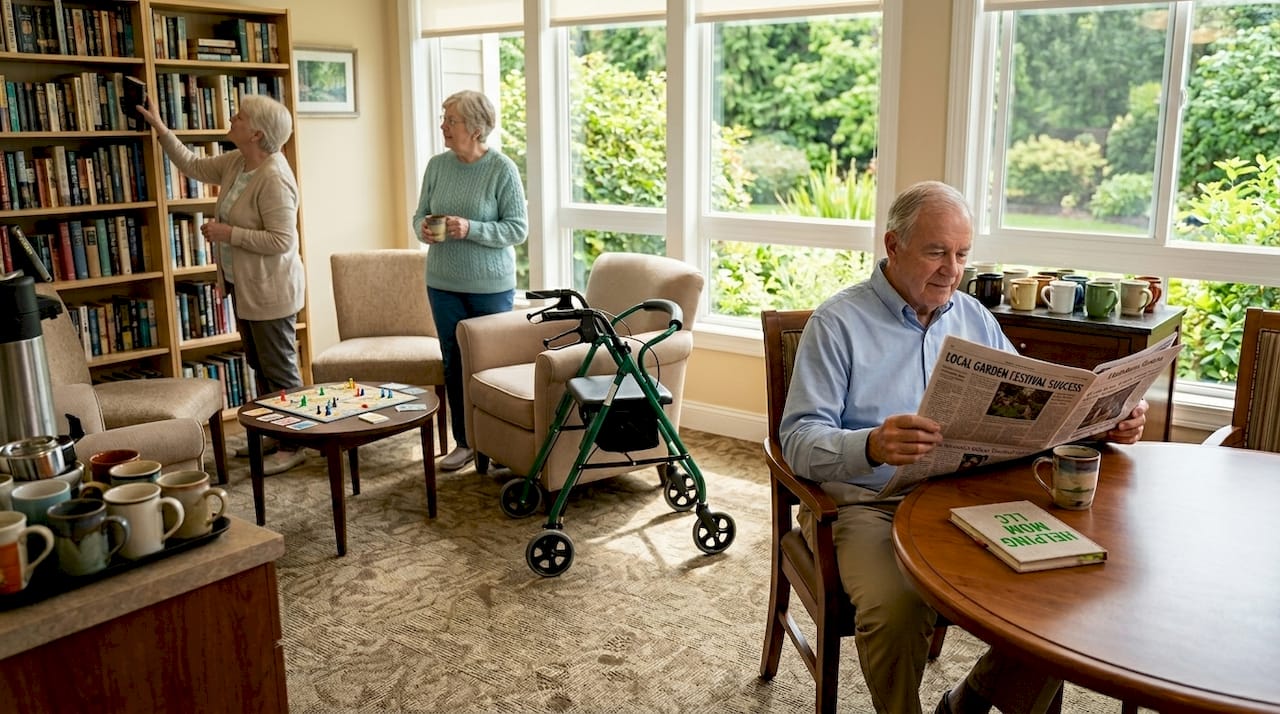
Seniors who are socially motivated, physically active, and need little to no daily assistance tend to thrive here. The structured social calendar and built-in community can be genuinely life-giving for someone who was becoming isolated at home.
If your parent needs help with bathing, dressing, or managing medications on a daily basis, independent living likely isn't enough. Check what happens if care needs increase. It's also worth asking about during your independent living facility tours or conversations with staff.
Pro Tip: Ask specifically whether the community has any affiliation with assisted living or skilled nursing on-site. A continuing care retirement community (CCRC) model means your parent won't need to move again if their needs change.
Many families feel guilt when they begin exploring higher levels of care. That feeling is incredibly common. Looking at options does not mean you are giving up on your parent. It means you are trying to plan responsibly and compassionately.
When care needs become more complex, these three options offer different solutions that vary dramatically in services and budget. Here's how they compare:
| Care Type | Best For | Monthly Cost |
|---|---|---|
| Assisted Living | Seniors needing daily task help | ~$5,000 |
| Memory Care | Dementia and Alzheimer's residents | ~$6,000 |
| Skilled Nursing | High medical needs, post-hospital care | ~$9,000 |
A good fit when your parent needs regular help with activities of daily living (ADLs) like bathing, dressing, grooming, and managing medications, but doesn't require round-the-clock medical supervision.
A specialized unit or standalone community for people living with Alzheimer's disease or other forms of dementia. Staff are specifically trained in dementia care, and the environment is designed for safety.
Staffed by licensed nurses around the clock for residents with serious, ongoing medical needs. Post-surgical recovery, wound care, IV therapy, and ventilator support.
Planning ahead: It may also help to learn about the early signs your aging parent may need more support before a crisis forces a rushed decision.
Pro Tip: Visit a facility unannounced at an off-peak time (like a weekend evening) if possible. How staff interact with residents when they don't know they're being evaluated tells you a great deal about the culture.
Not every family can comfortably afford $5,000 or more per month. The good news is that there are real options for lower-income seniors, though they come with their own trade-offs.
The federal government's primary affordable housing program for elderly people offers affordable rentals at 30% of income for low-income seniors aged 62 and older, with some services included.
Eligibility Age
62 and older
Rent Basis
30% of income
Operated By
Nonprofits
Units Nationwide
400,000+
Contact your local Area Agency on Aging (AAA), which you can find through the Eldercare Locator at eldercare.acl.gov. They can tell you what programs are available in your parent's area and how to apply.
Start this process early. Waitlists move slowly, and getting your parent's name on a list now costs nothing.
The information above is most useful when it connects to action. Here's a practical sequence to follow:
Write down your parent's medical, physical, and social needs as they are today. Be specific. "Mom needs help with medications and has fallen twice this year" is more useful than "Mom is slowing down."
Include what your parent can contribute from income, savings, or home equity, along with any family contributions. Look into long-term care insurance and Medicaid eligibility early.
Use the comparisons in this article to identify which one or two types of housing fit your parent's current profile.
Aim for three to five options to tour. Use online reviews, state inspection reports, and personal referrals to narrow from there.
Whenever health allows, bring your parent along. Their reaction to the physical space and the people there matters.
Ask about staff turnover, how emergencies are handled, what happens when care needs increase, and how family communication is managed.
Applications, financial disclosures, and physician assessments can take weeks. Don't wait until a crisis forces your hand.
There is no universally perfect answer. Every family's mix of needs, budget, geography, and relationships is different. Give yourself permission to find the solution that fits your family rather than searching for a flawless one.
"Here's something most housing guides won't tell you."
Families often spend weeks comparing amenities, calculating costs, and reading reviews. Then they pick what looks like the right place on paper, and it still doesn't feel settled. Why?
Because the clinical checklist is only part of the decision. The emotional piece, specifically whether your parent has genuinely accepted the change and whether you have worked through the feelings of guilt and uncertainty that come with it, shapes the outcome far more than the quality of the dining room.
Perfect timing rarely exists for this kind of decision. You will likely feel some guilt no matter when you act. Your parent may resist, feel angry, or grieve the loss of their independence. Those feelings are normal. They don't mean you made the wrong call.
It's the quality of ongoing conversation. Families who talk openly with aging parents about fears, preferences, and concerns, before and after a move, report better adjustment and stronger relationships through the transition.
The practical truth is this: strong relationships and readiness to adapt outweigh any specific amenity list. A community that's a good-enough match, combined with a family that stays connected and communicates well, beats a perfect-on-paper facility where the family disengages after the move.
Revisit the choice as needs change. Senior housing isn't a one-time decision. It's an ongoing process of paying attention and adjusting.
For families ready to take action or seeking further support, a variety of free guides and tools can make this journey easier.
Work through a complete elderly home safety checklist before a tour to help you stay organized and feel prepared.
Get the checklistCaring for a parent takes a real toll on you, too. Our caregiver wellbeing resources are here to support you through every stage.
Explore resourcesExplore aging in place home safety options to help your parent remain safely at home longer.
Learn morePractical guidance for having difficult conversations with aging parents about their care and living situation.
Get guidanceYou don't have to figure this out alone.
Helping Mom offers a range of practical, calm resources designed specifically for adult children navigating these decisions.
If you are trying to sort through decisions about safety, independence, caregiving burnout, or what level of support your parent may actually need, explore the full Helping Mom Caregiving Resource Library. You will find practical guides, checklists, and calm step-by-step support designed for real families making difficult decisions.