Supporting an aging parent’s right to vote, with dignity, accessibility, and the assistance they need.

A chance to have a say — and to be heard.
When I visited my mother recently, I supported her in casting her vote.
She is 89, and she wanted to make sure she could participate. She talked about how important it was to her.
That stayed with me.
When you are caring for an aging parent, there is always something that needs attention. Appointments. Medications. Groceries. The bill that needs explaining. The phone that has somehow developed an entirely new personality since your last visit.
Voting can become another item to coordinate.
But to our parents, it may mean something much larger.
It is a chance to have a say. To act on convictions they have carried for years. To remain involved in a world that sometimes speaks about older people more often than it listens to them.
My mother wanted to vote. Making that possible mattered to her, so it mattered to me.
Before making arrangements, ask.
“Would you like to vote in this election?”
“Have you thought about how you would like to do it?”
“Is there anything making it difficult?”
Your parent may already have a clear preference. They may enjoy going to the polls. They may prefer voting from home if that option is available. They may be worried about transportation, reading the ballot, or standing in line.
Let their answer guide the next conversation.
As adult children, we can become so practiced at organizing things that we move straight into making decisions. This is a good place to slow down.
Our role is to support their participation while respecting their choices.
Sometimes the barrier is obvious. A parent no longer drives or uses a walker.
Other difficulties are easier to miss.
They may struggle to hear instructions in a busy room. They may be embarrassed to say they cannot read the print. They may worry about needing a bathroom, becoming tired, or holding up the line.
Ask what concerns them about the experience.
Then work through those concerns together. A ride may solve one problem. Clear information, accessible equipment, or an advance conversation with the election office may address another.
Transportation may be the single biggest barrier.
Deadlines, ID rules, and methods explained simply.
The election office can prepare for an accessibility need.
You do not have to guess what is available. Your state or local election office is the best starting point for voting methods, registration status, deadlines, identification requirements, and accessibility questions. You can find official state information through Vote.gov or the U.S. Election Assistance Commission.
A parent with a disability has a right to accessible voting.
Accessible voting can include wheelchair access, accessible parking, equipment for voters with vision or other disabilities, and assistance using that equipment. Polling places must have at least one accessible voting device.
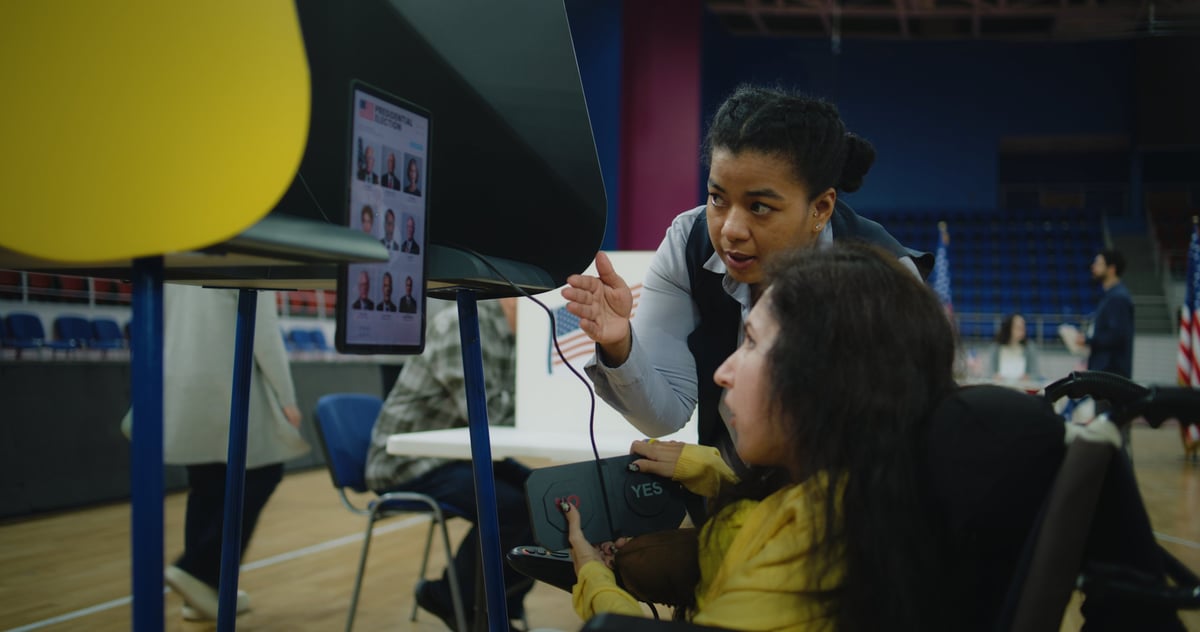
Call the election office before the visit and describe the practical need.
“My mother uses a walker. Can you explain the accessible entrance and parking?”
“My father has limited vision. What equipment is available so he can read or hear the ballot?”
“My parent is hard of hearing. What is the best way to request clear instructions?”
Ask about seating, the distance to the voting area, or other concerns that could affect the visit.
Some jurisdictions offer curbside voting or other arrangements, but these options are not available everywhere. Confirm what your parent’s election office provides before relying on a particular accommodation.
A little information beforehand can make an unfamiliar experience feel more manageable.
Accessible equipment may allow your parent to vote independently. They may also need or prefer personal assistance.
Federal law protects the right of voters who need assistance because of blindness, disability, or an inability to read or write to receive support from a person of their choice. Exceptions include their employer, an agent of their employer, or an officer or agent of their union.
Ask the local election office how to request assistance and whether any forms or declarations are required.
For readers in Florida: voters may choose an eligible person to assist them or request assistance from two election staff members. Florida’s guidance also states that a voter does not have to disclose the nature or extent of their disability to receive assistance at the polls.
The important distinction is whose decision is being expressed.
Your parent may need you to read instructions, explain how to operate equipment, or assist with marking the selections they communicate.
The selections remain theirs.
Caregiving often happens on a schedule. You have a drive ahead, groceries in the car, and three more things to accomplish before going home.
Try to leave enough room around voting that your parent does not feel hurried.
Speak directly to them. Let them ask questions. If an election worker addresses you instead, bring your parent back into the conversation.
“Mom, would you like to explain what you need?”
Ask before stepping in. If they can and want to vote privately, give them that space.
If they request your assistance, follow their directions without steering their choices. A ride, a steady arm, or assistance reading a ballot should never come with an expectation that they vote the way you would.
Respect is especially important when you disagree.
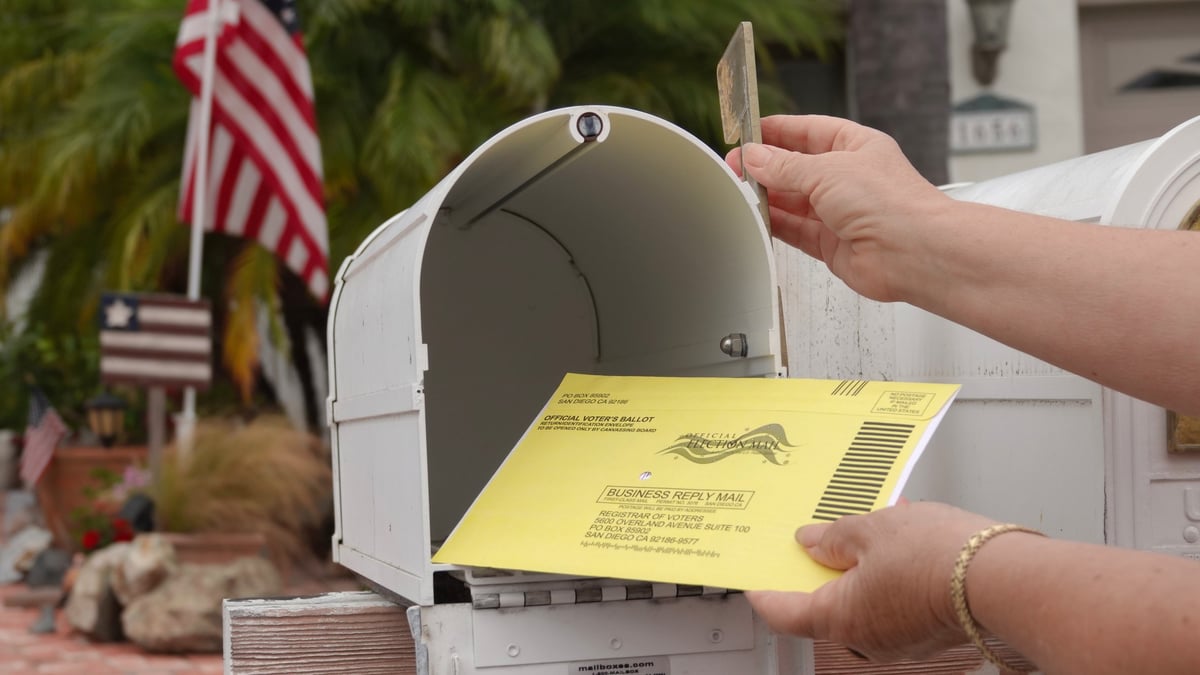
If your parent prefers voting by mail, confirm eligibility, request deadlines, and return requirements with their election office. Rules vary by state.
Once the ballot arrives, make time to review the instructions together if your parent wants assistance.
Check any required signatures, envelopes, witness requirements, or other steps with the official instructions. Before returning a ballot on your parent’s behalf, verify who is permitted to do so and how it must be delivered. Ballot assistance and return rules differ by state.
Then agree on who will handle each step.
An envelope sitting on the kitchen counter can look like a finished task when there is still something important left to do.
You can still support a parent’s voting plans from a distance.
Start with a phone call about what they want and what might get in the way. With their agreement, you can research official information, contact the election office about accessibility, or ask a trusted nearby person whether they are available to provide transportation.
Give your parent the details in a format they can use. That might mean large print, a short written list, or a conversation at a time when they can hear comfortably.
Then follow up.
“Did you get the information you needed?”
“Is the ride confirmed?”
“Is there anything else you want me to check?”
Keep your parent involved in the arrangements. The plan should feel like something you are doing together.
So much of caring for an aging parent involves responding to what has become harder.
It is easy for our conversations to narrow to those difficulties.
Voting gives us an opportunity to ask about something they want to do, something that connects them to their community and the future.
My mother made it clear that voting mattered to her. I was glad I could support her in doing it.
Sometimes care looks like arranging an appointment or picking up a prescription.
Sometimes it looks like making sure someone has the opportunity to be heard.
Have you asked your parent about their voting plans?
A simple conversation may reveal exactly what they need to participate.
Published by Helping Mom. A personal reflection and practical guide on supporting an aging parent’s right to vote — with dignity, accessibility, and the assistance they choose. Voting rules and accessibility services vary by state; always confirm details with your parent’s local election office or official state resources. This piece offers encouragement and general guidance rather than legal or professional advice.