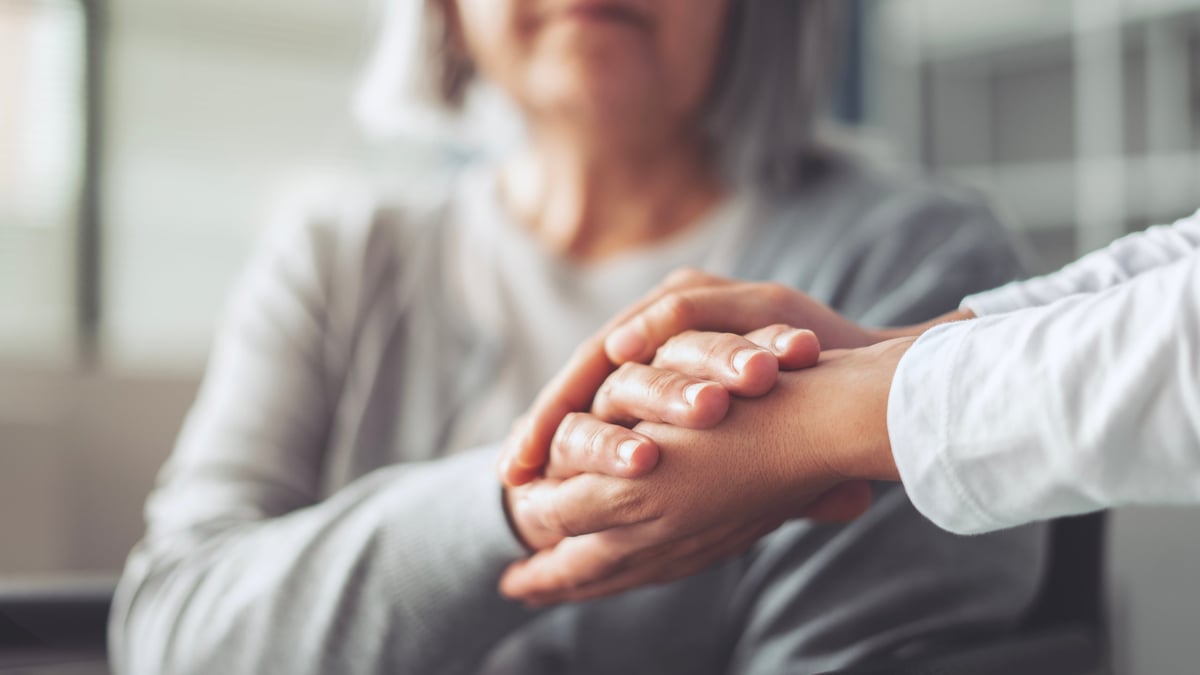
Preventing falls often starts not with a crisis, but with quiet, thoughtful changes to a home and daily life. It's about working together to support your parent's independence, not taking it away, by making their familiar space safer and more comfortable.
Falls are one of the most common reasons older adults lose confidence at home, but many are preventable with simple, thoughtful changes. The goal is not to make the home feel clinical. It is to make it work better for your parent's daily life.
This is one of the most effective ways to prevent falls at home without making any major changes. Simple home modifications—like grab bars, improved lighting, and clearing pathways—can reduce falls by up to 38% for those at higher risk. Small, consistent changes add up to meaningful protection.
When you start to worry about a parent's safety at home, it can feel unsettling. It's a natural part of caring for someone you love, and it's a sign that you're paying attention.
This guide isn't about crisis management. It's a practical look at how you can partner with your parent to support their ongoing independence, one small step at a time.
It's easy to get bogged down by statistics, but knowledge can also be incredibly empowering. While studies show that between 28% to 35% of people over 65 have a fall each year, those same studies show that simple home modifications can reduce falls by as much as 38% for those at the highest risk.
These are not drastic, clinical overhauls. They are small, practical tweaks that respect your parent's autonomy and make their home work better for them.
What matters most is not doing everything at once. It is choosing one or two meaningful changes that make everyday movement feel safer and more predictable.
The goal is to enhance their freedom, not take it away. This is about adding support so they can continue to cherish their home for years to come.
The most effective safety plans are the ones you build with your parent, not for them. This journey begins with understanding and respect.
For many of us, the idea of having "the talk" with our parents about home safety can feel heavy. It can bring up a mix of love and apprehension, touching on deeply personal topics like independence, change, and aging itself.
But what if we could see it differently? This isn't about issuing directives or taking over. It's about opening the door to a partnership, working toward a shared goal: making their home as comfortable and secure as possible so they can continue to thrive in it.
Timing really can be everything. Bringing up home safety in the middle of a stressful family gathering or right after a minor stumble can make your parent feel defensive or embarrassed.
Instead, look for a calm, relaxed time when you're both in a good mood. Maybe it's over a quiet cup of coffee or during a walk. The tone shouldn't be one of alarm, but of gentle curiosity. You're just exploring ideas together.
Many parents resist changes because they fear losing their independence. A successful way to navigate this is to frame safety improvements as upgrades for comfort, convenience, and empowerment.
Instead of focusing only on preventing a fall, talk about making daily life a little bit easier. This shifts the focus from a negative possibility to a positive, immediate improvement.
What if they say no? That's okay. It's a completely natural reaction to change, especially when it concerns their own home and abilities. The key is to meet resistance with patience, not pressure.
If an idea is met with a firm "no," don't push. Just say, "Okay, that's fair. Let's just keep it in mind." You've planted a seed. Sometimes an idea just needs a little time to settle before it can be revisited.
Try starting with the smallest, least intrusive suggestion you can think of. Replacing a dim hallway bulb with a brighter one is a simple fix with an immediate benefit. When they experience how a small tweak makes life easier, they might become more open to the next idea. Your role here is to be a supportive ally, not an enforcer. The best changes will always be the ones you agree on together.
Progress in these conversations is often measured in comfort, not agreement.
Now that you've opened the door for a chat, you can gently move into the practical side of things together. This isn't about marching through your parent's home with a clipboard for an inspection. Think of it as a collaborative project—a chance to look at their familiar space through a new lens of comfort and safety.
The goal is to spot simple, high-impact improvements that make daily life easier and reduce needless risks. Each idea is meant to be a low-cost, respectful adjustment that helps their home feel safer, not like a medical setting. Let's walk through the home together, focusing on one area at a time.
One of the most impactful things you can do is to look at the flow of the home. Clear, open pathways are essential for moving around safely, especially in the areas they use every single day.
A really simple way to test this is to walk the main routes your parent takes—from their bed to the bathroom, or from their favorite chair to the kitchen. Does any part of that journey feel tight or obstructed?
The most effective changes are often the simplest. Creating an unobstructed path from the bed to the bathroom can be one of the most significant ways to prevent a fall, especially at night.
This is one of the most effective ways to prevent falls at home without making any major changes.
What's underfoot matters immensely. Flooring, and especially rugs, are some of the most common culprits in home falls.
Throw rugs can add warmth and color, but they are notorious for slipping or bunching up. If a rug slides even a little when you step on it, it's a hazard. You can use double-sided carpet tape to secure it firmly to the floor. For small, slippery bath mats or area rugs, it might be better to remove them completely.
Also, take a look for any loose floorboards, curled-up carpet edges, or uneven transitions between rooms (like a high doorway threshold). A small fix here can make a huge difference in daily confidence and safety.
As we get older, our eyes need more light to see clearly. What once seemed like a well-lit room might now have shadowy corners that make it hard to spot a step or a piece of furniture.
Walk through the house at different times of day, especially in the evening. Are there any dim hallways or dark corners? A few simple changes can have a huge impact:
Good lighting simply takes the guesswork out of navigating a room. It builds confidence and makes every corner of the home feel more welcoming and secure.
Better lighting is one of the simplest and most overlooked ways to reduce fall risk at home.
Thinking in terms of "we" and "us" transforms a critique into a team effort, making your parent feel supported rather than scrutinized.
| Room / Area | Simple Observation | Easy & Gentle Suggestion |
|---|---|---|
| Living Room | Dad has to walk across the room in the dark to turn on a light. | "I saw this neat smart plug; we could plug the lamp into it so you can turn it on with your voice. Want to try it?" |
| Kitchen | Mom is using a wobbly dining chair to reach the upper cabinets. | "Mom, let's spend a few minutes moving your favorite mugs and plates to this lower shelf so they're easier to grab." |
| Hallway | A small decorative rug always seems to be bunched up. | "This rug is so pretty, but I'm worried one of us will trip on it. How about we try some rug tape to keep it flat?" |
| Bathroom | The path from the bedroom is dark at night. | "I found these motion-sensor nightlights that just plug in. Should we put one here in the hall and one in the bathroom?" |
The kitchen is often the heart of the home, but it can also have its own set of challenges. The goal here is to make daily tasks easier and reduce the need for reaching, bending, or climbing.
Move the things they use all the time—like favorite mugs, spices, and small appliances—from high shelves or low cabinets to the countertop or an easy-to-reach shelf. This small bit of reorganizing prevents the temptation to grab an unsteady chair to reach something. It's a simple act of organization that doubles as a powerful safety measure.
It's also a good idea to have a sturdy chair or stool in the kitchen. If your parent feels tired, they can sit down to chop vegetables or wait for the kettle to boil. This helps reduce fatigue, which can often lead to unsteadiness.
The combination of hard surfaces and water makes the bathroom a critical room to focus on for fall prevention. Even small adjustments here can provide a huge boost in stability and confidence.
Studies show that a significant number of home falls for older adults happen in the bathroom. But there's good news in that data. International guidelines show that simple home modifications—like secure handrails and better lighting—are incredibly effective at preventing these falls and supporting aging in place.
Here are the key bathroom improvements to consider:
Because of the combination of water and hard surfaces, even small improvements in this space can have an outsized impact on safety.
For a comprehensive list to guide your walkthrough, use our elderly home safety checklist. It breaks all of this down into an easy-to-follow format.
Download the ChecklistStairs require special attention. Every flight of stairs, even a short one with just two or three steps, should have a sturdy handrail on at least one side—though both sides are always better.
Check to make sure any existing handrails are secure and don't feel wobbly. It's also helpful to know the correct handrail height for stairs to ensure they provide the best possible support.
Make sure the stairs are well-lit from top to bottom, with light switches at both ends. If the steps are carpeted, check that the carpet is securely fastened. If they are wood or another hard surface, adding non-slip treads can provide more traction. And finally, make it a house rule that nothing is ever stored on the stairs, even for just a minute.
While making changes to the home itself is a huge step, preventing falls is also about the small, daily rhythms of life. This isn't about a total lifestyle overhaul. It's about gentle adjustments and mindful movements that can make a world of difference in your parent's stability and confidence.
By encouraging a few simple new habits, you can help them feel more secure and in control as they move through their day. These small tweaks are often easy to adopt and have a surprisingly big impact.
One of the simplest changes with the biggest impact is wearing supportive shoes, even inside. It's so common for parents to walk around barefoot, in socks, or in soft, flimsy slippers. But these just don't offer the grip or support needed.
Socks have almost no traction on smooth surfaces like hardwood or tile floors. And many common slippers, especially the open-backed kind, can slide right off and become a trip hazard.
Encouraging your parent to have a dedicated pair of "house shoes" is a great idea. Look for a pair that has:
This one switch provides a stable foundation for every single step they take in their home.
This single habit can reduce slipping and improve balance throughout the entire day.
A great pair of supportive, non-slip shoes worn inside the house is a form of fall prevention that works all day long. It's a small change that offers constant, reliable support.
Sometimes a fall happens because of a sudden movement. As we get older, our bodies can have a quick drop in blood pressure when changing positions too fast—like standing up from bed or a comfy chair. That sudden shift can cause a wave of dizziness or lightheadedness.
One of the most powerful habits to build is the simple act of pausing.
Instead of getting right out of bed, encourage your parent to first sit on the edge of the bed for a minute. This gives them a moment to take a few breaths and let their body adjust before they stand. The same idea applies to getting up from their favorite armchair after watching a movie.
That brief pause gives their blood pressure time to stabilize, which can reduce the risk of dizziness that may lead to a stumble. It's a mindful habit that costs nothing but a few seconds.
Hurrying and reaching are two of the most common culprits behind falls. When the phone rings from across the room or their reading glasses are on a high shelf, the first instinct is to rush or stretch to grab it. These quick, unbalanced movements are exactly when a loss of balance can occur.
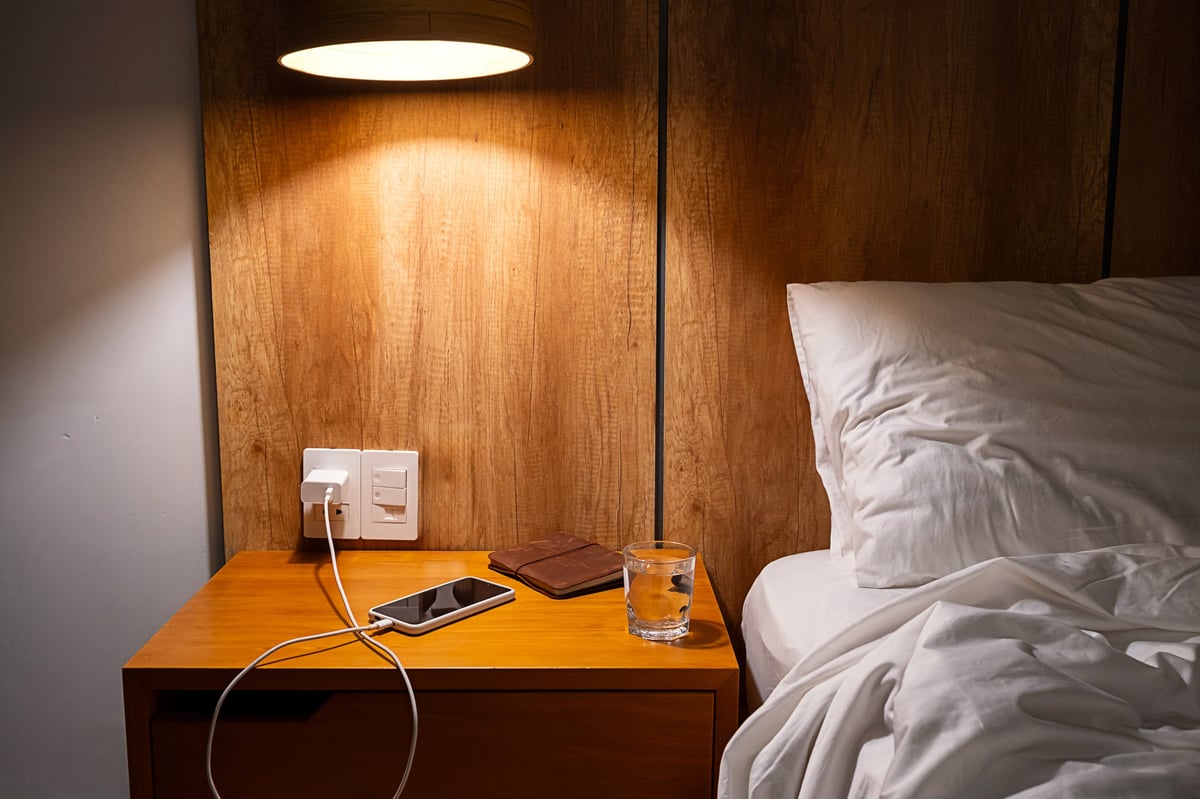
A wonderfully practical way to prevent this is to help your parent set up "stations" with everything they need right at their fingertips.
Think about where they spend the most time—the bedside table or the end table next to their favorite chair—and help them organize these little zones.
By placing these items strategically, you reduce the need for them to make unnecessary trips, rush, or take a risky reach. It's a simple adjustment that supports their independence by making their daily life feel smoother and safer.
Small adjustments like this reduce the need for rushed or awkward movements, which are often when falls happen.
You've had conversations, made some gentle changes around the house, and helped your parent build safer daily habits. Those are huge, meaningful steps. But sometimes, learning how to prevent falls at home also means knowing when a little extra support could make all the difference.
Bringing in help is not a sign that you've fallen short or that your parent is losing their independence. It's a proactive, thoughtful choice to add another layer of expertise. This is about empowering them to live safely in the home they love—enhancing their freedom, not taking it away.
If you've ever wished you could have an expert just walk through your mom's house and give you some practical advice, you're not alone. That's exactly what an occupational therapist (OT) can do with a home safety assessment.
An OT is a trained professional who looks at how a person moves and lives in their own space. They can come to your parent's home and provide a personalized evaluation, watching how your dad gets out of his favorite chair or how your mom navigates the kitchen. Their goal is to make daily life easier and safer.
Their recommendations are incredibly practical because they're based on your parent's specific needs and routines. They might suggest:
Think of it less like an inspection and more like getting a second opinion from a friendly expert who just wants to help.
Bringing in an occupational therapist isn't about admitting defeat; it's about gaining a skilled partner. Their insights can provide both you and your parent with confidence and a clear, manageable plan forward.
Sometimes the biggest challenge isn't knowing what to do, but actually getting it done. Beyond a formal assessment, there are other helpers who can provide invaluable, non-medical support for those practical tasks.
It helps to think of these resources as part of your support team:
Deciding to use these services is a positive, forward-thinking step. Seeking this kind of help is a sign of thoughtful care, and it gives everyone involved more peace of mind.
If you are not sure where to begin, a simple checklist can help you take the first step without feeling overwhelmed.
If you can't schedule an in-person assessment, virtual consultations are available nationwide by appointment. Get expert guidance and planning support from the comfort of your home.
Learn MoreAt Helping Mom LLC, we provide calm, practical guidance for families navigating aging and independence at home. If you are ready to take a simple next step, start with our Elderly Home Safety Checklist:
Get the Free ChecklistIf you're feeling overwhelmed trying to figure out next steps, you're not alone. This is one of the most emotional transitions families face.
We created a simple, step-by-step guide to help you move forward with clarity and confidence.
Download the Free Downsizing & Moving GuideAs you begin making your parent's home safer, it's completely natural for questions to surface. Let's walk through some of the most common questions we hear from families.
At Helping Mom LLC, we provide calm, practical, and reassuring guidance for families navigating the journey of aging. For more checklists, templates, and thoughtful advice, please visit us at helping-mom.com.