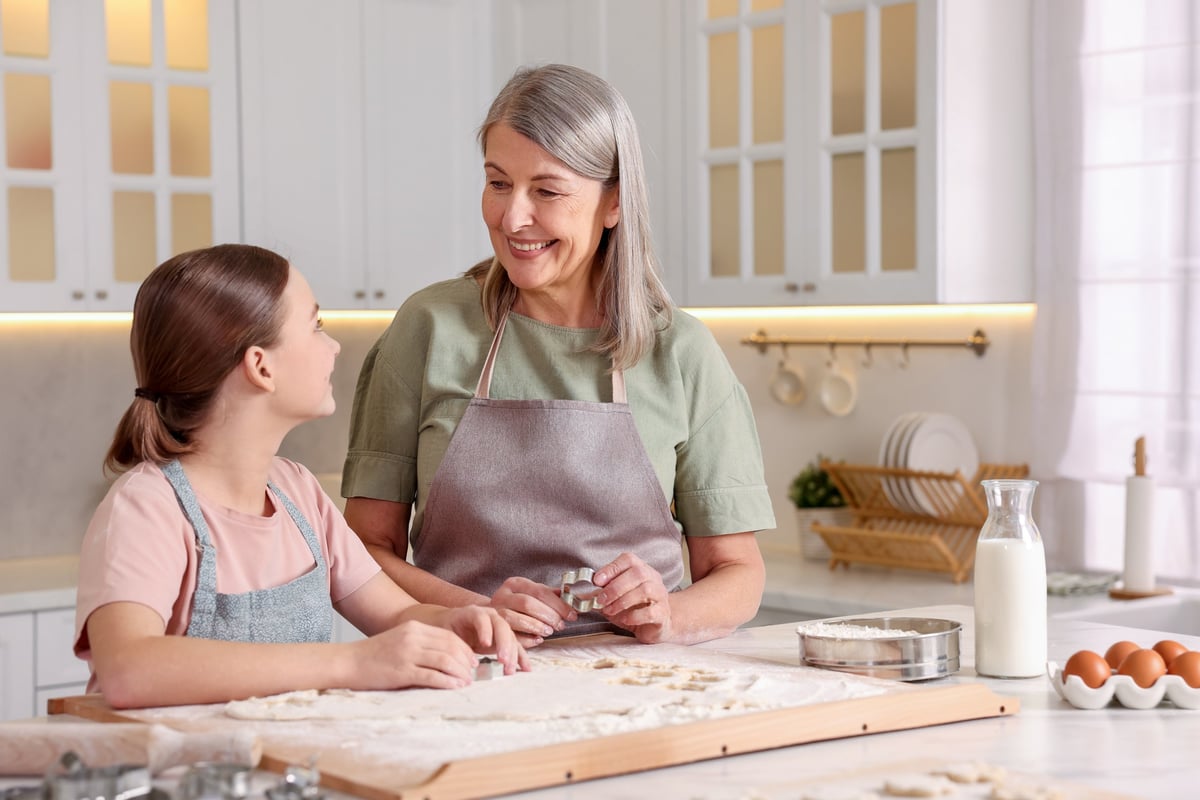
Thanksgiving may have run through Mom’s kitchen for years. Here’s how to plan the day with her — so she keeps what matters and doesn’t carry the whole weight of it.
For years, Thanksgiving may have run through Mom’s kitchen. She knew when the turkey needed to go in, which serving dish belonged to the sweet potatoes, and whether the stuffing needed a little more sage.
Now the day may take more out of her. Standing for hours is tiring. Carrying a heavy roasting pan is harder. Perhaps she left a burner on recently, or last year’s meal exhausted her before everyone sat down.
You want to make the day easier. You also know that announcing, “We’re taking over Thanksgiving,” may hurt more than you intend.
The way forward:
Plan the meal with her. Find out what she wants to keep, share the demanding work, and give her a place in the day that feels like her own.
Hosting is often about more than cooking. Mom may love making a particular dish, welcoming everyone at the door, setting the table, or hearing the family gathered in her home. If you focus only on the work she can no longer do comfortably, you might miss the part she most wants to preserve.
Ask her before making assignments:
What part of Thanksgiving would you most like to keep this year?
Listen to the answer. She may care deeply about making the stuffing and have no attachment at all to wrestling a turkey out of the oven. Or she may be ready to hand over the cooking but want the meal at her house.
You don’t have to settle every detail in one conversation. Start with what she values, then build the plan around it.
Thanksgiving morning is a hard time to introduce a new arrangement. The oven is hot, people are arriving, and everyone is already committed to a plan they may never have discussed.
A few weeks ahead, try one of these openings:
“Mom, I’d love for us to plan Thanksgiving together. Which parts of the day do you most want to do yourself?”
“Last year was a long day for you. Could I take care of the turkey and the heavy pans this time? I want you to have the energy to enjoy everyone.”
“Will you show me how you make the stuffing? I can do the chopping and stove work, but I want it to taste like yours.”
If she resists, slow down. Ask what worries her about changing the plan. She may be afraid the meal won’t feel the same, or that handing over one job means losing the whole holiday. A specific offer is easier to consider than a sweeping promise to “take care of everything.”
People usually know when they’ve been given a task just to keep them occupied. Choose something that contributes to the meal and suits her energy and comfort.
She might:
Ask where she would like to work, too. A comfortable seat at the kitchen table can let her stay in the conversation without standing at the counter all morning.
And leave room for her to change her mind. A job that sounds enjoyable when you’re planning may feel like too much on the day.
Holiday kitchens get crowded quickly. Before guests arrive, walk through the space and make a few practical changes:
Give one person clear responsibility for checking the stove and oven throughout the day and again after cooking is finished. Set timers for dishes that need attention, but remember that a timer still needs someone to hear it and act on it.
If safety is a concern:
If Mom has recently left a burner on or had trouble with hot cookware, talk privately about which tasks would feel comfortable this year. Someone else can manage the heat while she remains involved in the dish.
The meal is only part of the work. Someone has to shop, set up, drive, serve, wash dishes, and put leftovers away. If those jobs are left unspoken, they often land on the same person.
Send the family a short list before Thanksgiving and ask each person to claim a task. For example:
“I’m putting together a plan so Mom can enjoy Thanksgiving with us. We need people for the turkey, sides, setup, dishes, cleanup, and a ride for Mom. Could everyone pick something by Sunday?”
Someone who lives farther away may be able to order dessert or groceries. Someone who doesn’t cook may be exactly the person you need for cleanup or transportation.
Plan a stopping point, too. Mom might enjoy the meal and an hour of conversation but be ready for a quiet afternoon while others finish the dishes.

If the arrangement changes, explain it to Mom ahead of time. There’s no need to announce her limitations to the rest of the table.
Instead of
“Mom isn’t allowed near the stove.”
You can say
“I’ve got the oven today. Mom and I are making her stuffing together.”
The words matter, but following through matters more. Ask her opinion. Make space for her preferences. Thank her for what she contributed without making a performance of it.
The takeaway: A good Thanksgiving plan lets the family carry more of the work while Mom still recognizes the holiday as hers.
Call Mom and ask:
Let her answer guide the menu, the tasks, and the conversations that come next. The meal may look a little different. She can still be at the heart of it.
Same holiday, shared differently. She still belongs at the center of it.

Helping Mom provides calm, practical guidance for adult children supporting aging parents. Explore our guides and checklists for making homes safer, having difficult conversations, and caring for yourself along the way.
Browse the Caregiving Resource Library