
Holidays & Family 9 min read

When Your Parent Comes to Your House for Thanksgiving

There is something tender about the first Thanksgiving when your parent comes to your house because hosting at theirs has become too much.

MC

Mike C.

Founder, Helping Mom

Festive holiday dinner setting. Traditional roast turkey, pumpkin pies, and autumn harvest decor mixed with Christmas ornaments on a rustic wooden table. Warm candlelight atmosphere.
The first year your parent is a guest at your table instead of the host.

Maybe the change happened gradually. You started bringing more dishes. Someone else handled the turkey. Last year, you did most of the cleanup while your mom insisted she barely needed any help.

Or maybe this year simply makes more sense at your place.

Whatever brought you here, you may be thinking about chairs, groceries, and whether everyone will fit around the table. Your parent may be thinking about the kitchen where they hosted for thirty years.

Both deserve a little attention.

You do not need to recreate every tradition or make your home perfect. A few thoughtful choices can help your parent feel comfortable, included, and very much part of Thanksgiving.

Start here

One question, before anything else: "What would help you enjoy the day?"

A happy mature mother and her grown daughter sit on a cozy couch at home, hugging and smiling while using a smartphone together, enjoying a funny video or sharing a warm online moment
Ask first. Their answers are often about something other than the menu.

Ask before you plan

Before you decide what your parent needs, ask what would make the day easier for them.

Try a few ordinary questions:

  • "What part of Thanksgiving are you looking forward to?"
  • "Would you rather come early or closer to dinner?"
  • "Is there something you'd like to bring or help with?"
  • "What time would you like to be home?"

Their answers may surprise you. You might be worrying about the menu while they are wondering how they will manage your front steps. You may assume they want to spend the entire day when a shorter visit would feel better.

Ask about traditions, too. Perhaps the most important part is saying grace, watching the parade, or having one particular dish on the table.

You cannot preserve every detail. But knowing what matters most helps you put your energy in the right place.

Walk through your house with the visit in mind

Your home is familiar to you. Your parent may experience it differently, especially if their mobility, vision, or hearing has changed.

Walk the route they will take from the car to the front door, from the table to the bathroom, and from the living room back outside.

Look for simple things you can address before guests arrive:

Cozy living room with large windows, soft decor, and plants for a warm, inviting vibe.
Walk the route they will take — car to door, table to bathroom, living room to car.
Clear shoes, bags, cords, and decorations from walking paths.
Move small rugs that slide or catch at the edges.
Make room for a walker beside the table and through doorways.
Turn on lights along hallways, steps, and the bathroom route.
Keep frequently used areas free of extra chairs and serving tables.
Arrange for pets to be elsewhere during arrivals if they jump or get underfoot.

Choose a comfortable chair your parent can get into and out of easily. Ask which seat works best rather than automatically assigning the softest couch or lowest armchair.

If steps or bathroom access could make the visit difficult, discuss that ahead of time. Finding a workable arrangement is much easier before someone is standing at your front door.

Once everyone arrives, keep bags and coats out of those carefully cleared paths. A safe hallway can disappear surprisingly fast under six purses and a diaper bag.

Keep some of the day familiar

Thanksgiving can become a very long event disguised as one meal.

There is the arrival, the cooking, the waiting, the eating, the cleanup, the football, and the person who announces another dish needs "just twenty more minutes."

A familiar rhythm can make the visit more comfortable.

Tell your parent when you expect to eat. If your family traditionally serves dinner late, consider whether an earlier meal would work better this year. Have something simple available if there will be a long wait.

Ask about any routines they want to keep and what they would like to bring along. A favorite cushion, reading glasses, or familiar sweater can make a difference.

Think about sound as well. A television, kitchen fan, and several conversations can make it hard to follow what anyone is saying. Turning down the background noise may help your parent take part without repeatedly asking people to repeat themselves.

Comfort often comes from small adjustments that nobody else notices.

Make room for contribution

"Just sit down. We'll do everything."

We usually say it with love. But for someone accustomed to making the holiday happen, being relieved of every responsibility can feel like being removed from it.

Offer choices that fit their interests and energy.

Your parent might enjoy seasoning the stuffing, folding napkins, sharing a recipe, choosing the serving dishes, or teaching a grandchild how the cranberry sauce is supposed to be made.

Ask, "Would you like to help with this?" Give them room to say yes or no.

If they bring a dish, welcome it without making a production of how much trouble they must have gone to. If they choose to watch from a comfortable chair, welcome that, too.

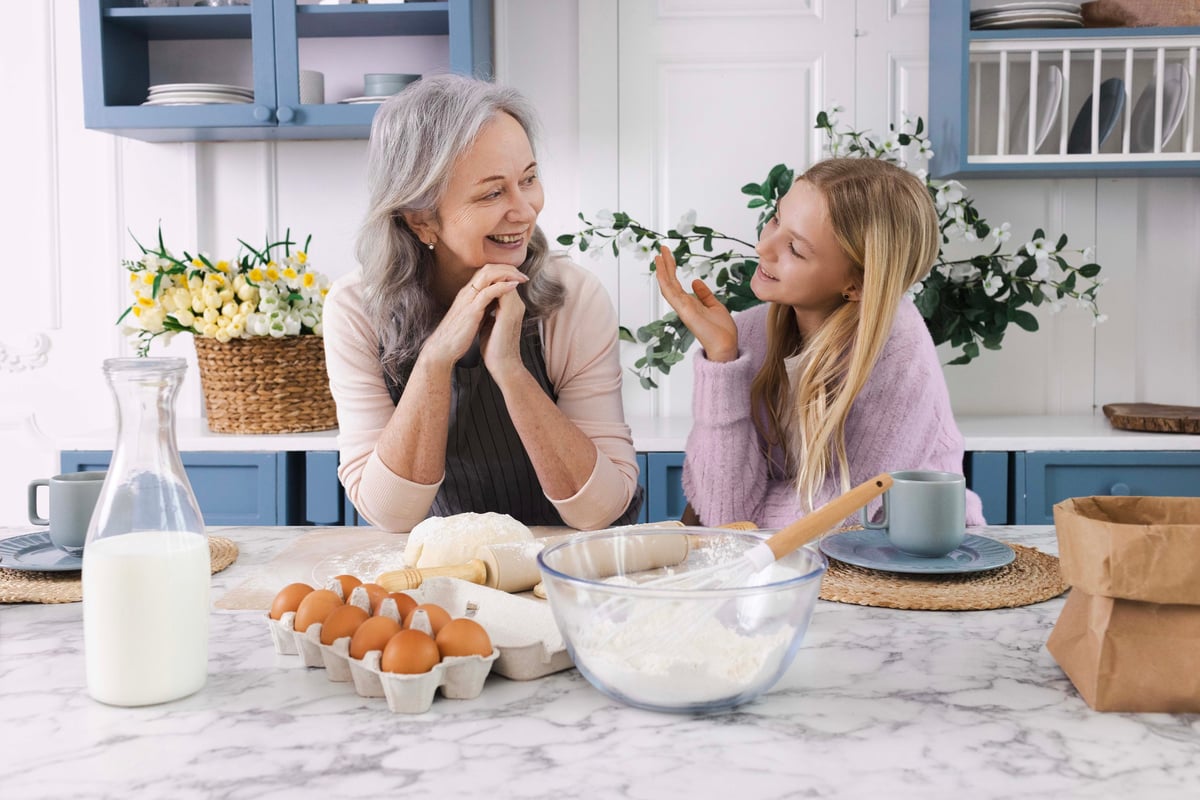
Happy elderly woman teaching cute girl to knead roll dough while talking about life. Unity of generations
Teaching a grandchild how the cranberry sauce is supposed to be made counts as helping.

There is no assignment they have to complete to earn their place at the table.

Give the helpers one clear job

A house full of willing relatives can still leave one person doing almost everything.

Before Thanksgiving, agree on a few specific responsibilities.

1 One person handles transportation.
2 Another keeps the walkway clear and helps carry belongings.
3 Someone takes responsibility for cleanup.
4 Someone else checks in about when your parent would like to leave.

Ask your parent before arranging hands-on assistance. Being surrounded by people reaching for your arm can feel overwhelming, even when everyone means well.

Keep coordination quiet and matter-of-fact. Your parent should be able to enjoy the visit without feeling like the subject of a family operations meeting.

And if you are hosting and providing most of the support, give yourself permission to simplify.

Store-bought pie has carried many a family through Thanksgiving with its dignity intact.

Plan rest as carefully as the meal

Set aside a quiet, comfortable place where your parent can take a break.

It does not have to be elaborate. A chair away from the television or a quieter room may be enough. Let them know it is available without announcing to everyone that they need a rest.

Build flexibility into departure plans, too. If your parent depends on someone for a ride, make sure leaving early is a real option.

A simple question can help: "Would you like to stay a little longer, or are you ready to head home?"

They may have had a wonderful time and still be ready to leave before dessert. Pack a slice for later.

A shorter visit can still be a full and meaningful Thanksgiving.

Let Thanksgiving be Thanksgiving

When relatives gather, it can be tempting to use the opportunity to discuss everything that has been worrying you.

Driving. The house. Who is helping. Whether your parent needs more support.

Those conversations matter, but a crowded dinner table rarely gives them the privacy and time they deserve.

Unless something needs immediate attention, make a note and arrange a separate conversation in December. Include your parent in planning it.

Things you can say instead

"There are a few things I'd like us to talk through together. Let's find a quiet time after the holiday."

"Let's give that a proper conversation another day. Mom, tell us how you used to make this."

Your parent deserves a place at the table where they can enjoy being family.

Leave room for a different kind of good

The turkey may be ready late. Someone may forget a favorite dish. Your parent may feel grateful to be there and sad about no longer hosting.

You can let those feelings exist without trying to fix them.

Ask about an old Thanksgiving. Bring out a familiar serving bowl. Take a picture if everyone is willing. Sit beside your parent for a few minutes without checking the oven or gathering plates.

The day may look different this year. There is still room for warmth, laughter, and something familiar passed across the table.

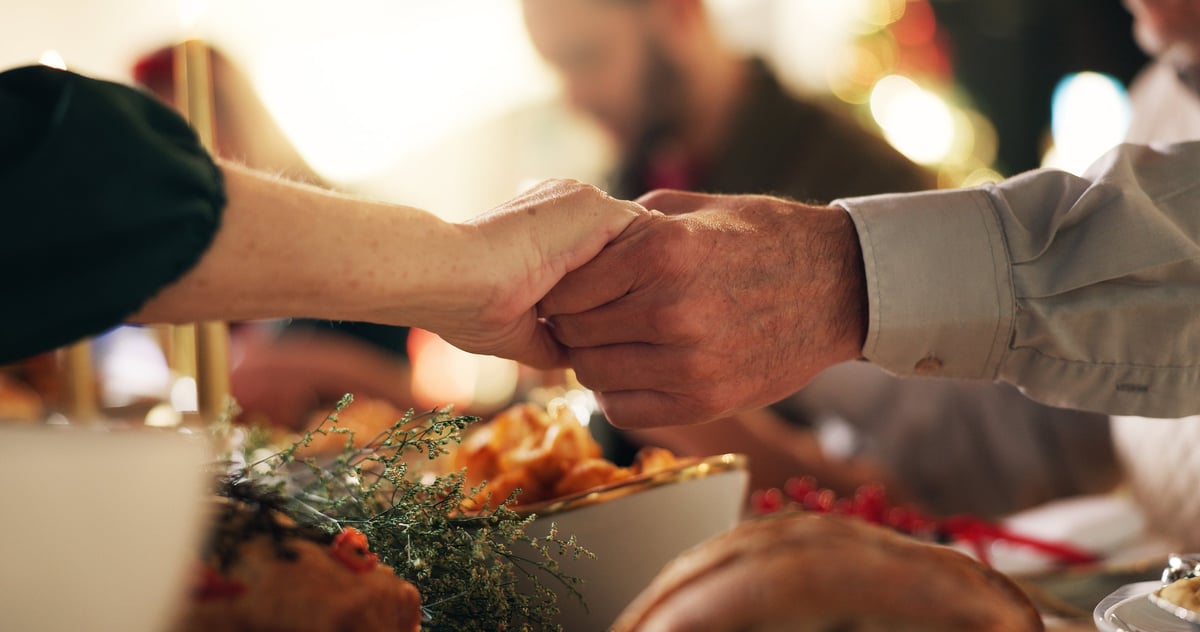
Holding hands, Christmas and prayer with family at dinner table for gratitude, holiday season and love. Worship, spiritual and support with closeup of people in home for festive celebration and trust
A shorter visit can still be a full and meaningful Thanksgiving.

A little preparation can help beyond the holiday

If you are coordinating support with family, these free templates can help you keep useful information together and clarify who is doing what.

Caregiving Clarity Session

A 45-minute conversation — a calm place to talk through what is becoming difficult and identify practical ways forward.

Book a session — $97 45 minutes · by appointment

For Thanksgiving, start with one question

"What would help you enjoy the day?"

Then leave yourself enough time to enjoy some of it together.

Mike C.

Founder, Helping Mom

Keep reading

More on holidays, hosting, and keeping your parent part of the family table.